Europe is not the problem. The problem is that everyone is trying to have the same European summer in the same five places at the same time.
Paris will always be Paris. Rome will always win. Dubrovnik, Santorini and the Amalfi Coast are not suddenly going out of fashion because someone discovered Albania. But in 2026, the classic European summer now comes with a surcharge: higher prices, thicker crowds, hotter weather, airport friction and the quiet humiliation of paying premium money to queue for the same sunset as everyone else.
Travellers are not giving up on Europe. They are giving up on paying peak-season money to fight for space in the same overloaded places. Searches for smaller cities are rising globally, and the appetite is still there, but the map is changing. People still want the Europe feeling. They just want less squeeze for the privilege.
RELATED: Tourism Is Booming In All The Wrong Places
The New Rule Is Depth Over DistanceThe old Europe trip was a sprint. Three cities, two countries, one overpacked suitcase and a camera roll full of churches you could not name by the time you got home. That style is starting to feel tired.
The smarter version of Europe now looks slower, smaller and less obvious. Travellers are leaning towards local culture, cooler cities, greener transport, fewer transfers and places that do not punish you for wanting dinner near the old town.
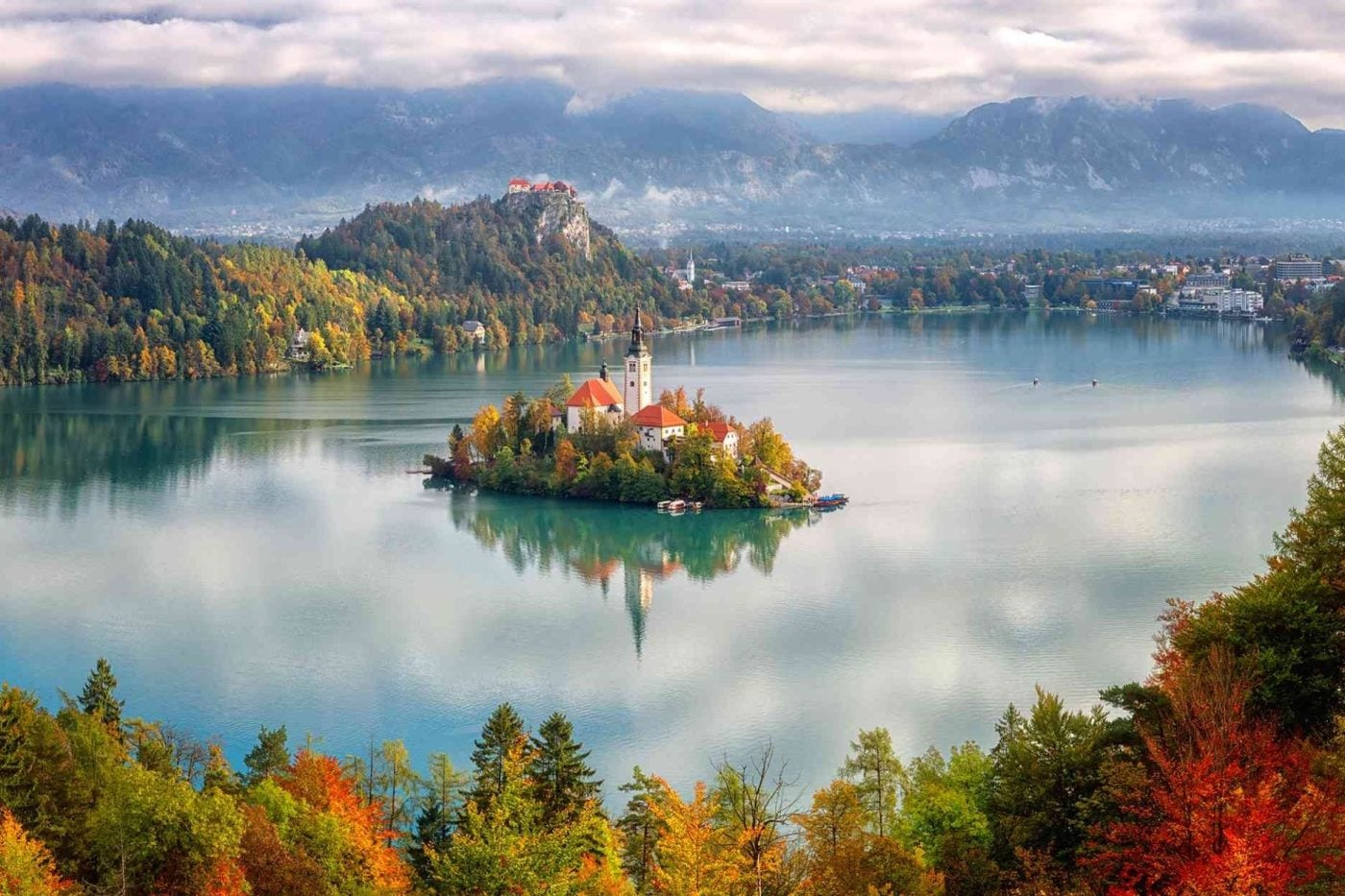
Slovenia is the cleanest example. It gives travellers the Alpine lake fantasy, Ljubljana’s pretty old town, wine country, the Soča Valley and Lake Bohinj without Switzerland pricing or Lake Como crowds. Central four-star rooms can still sit around €120 to €160, while dinner for two is often closer to €50 to €70, which is exactly why the country feels clever rather than compromised.
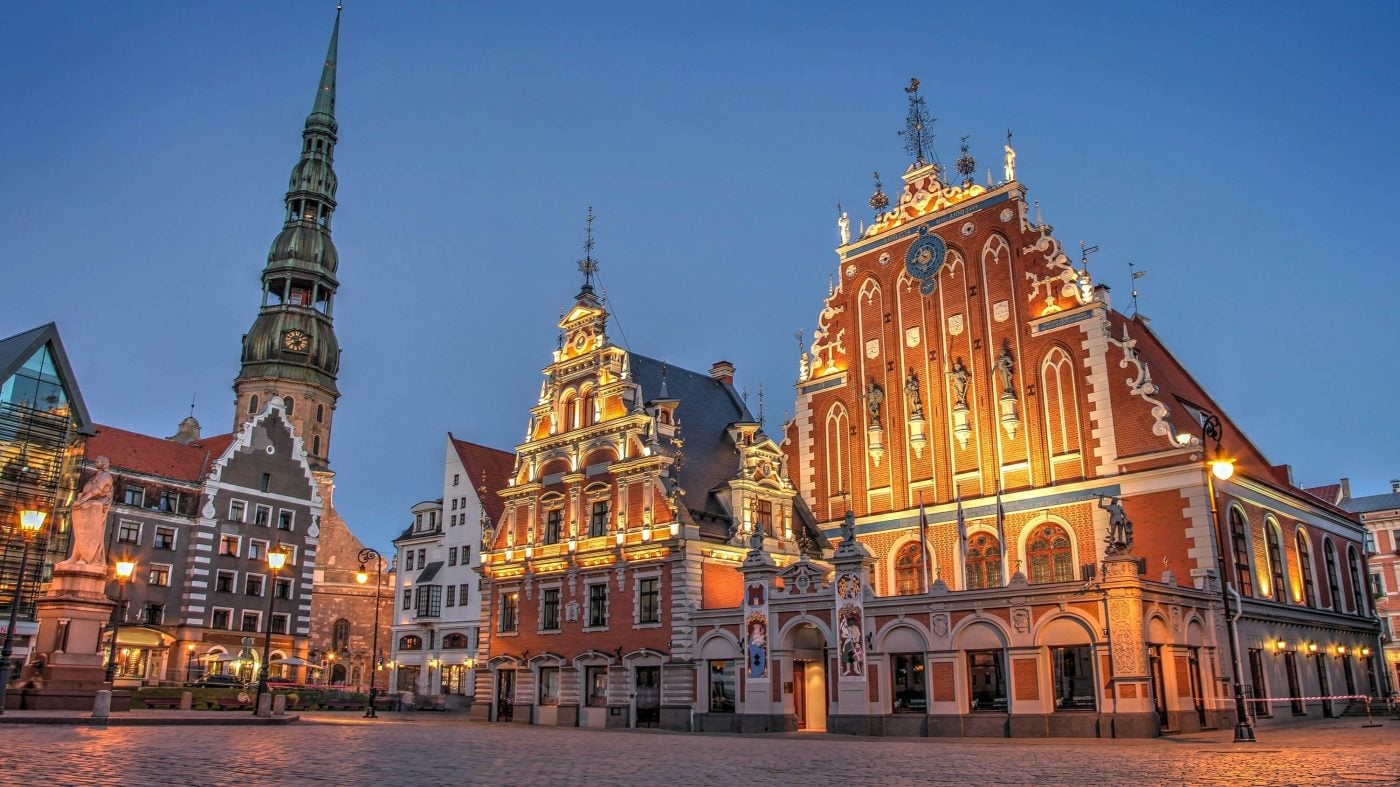
Latvia is doing something similar for city breaks. Riga gives you old-town beauty, Art Nouveau architecture, cooler weather and Nordic-adjacent energy without Copenhagen or Oslo prices. Central four-star rooms can still land around €70 to €100, and the city comes in far cheaper than Berlin, Oslo and Dublin while still offering the kind of handsome, layered city break that feels increasingly useful in a hotter, more expensive Europe.#
RELATED: Dubai Is Cancelled, Habibi. Three Asian Cities That Actually Deserve Your Layover
The Beach Crowd Is Moving EastThe Mediterranean is not dead. It is just expensive, sweaty and increasingly full. That is why the Balkan coast keeps getting more interesting.
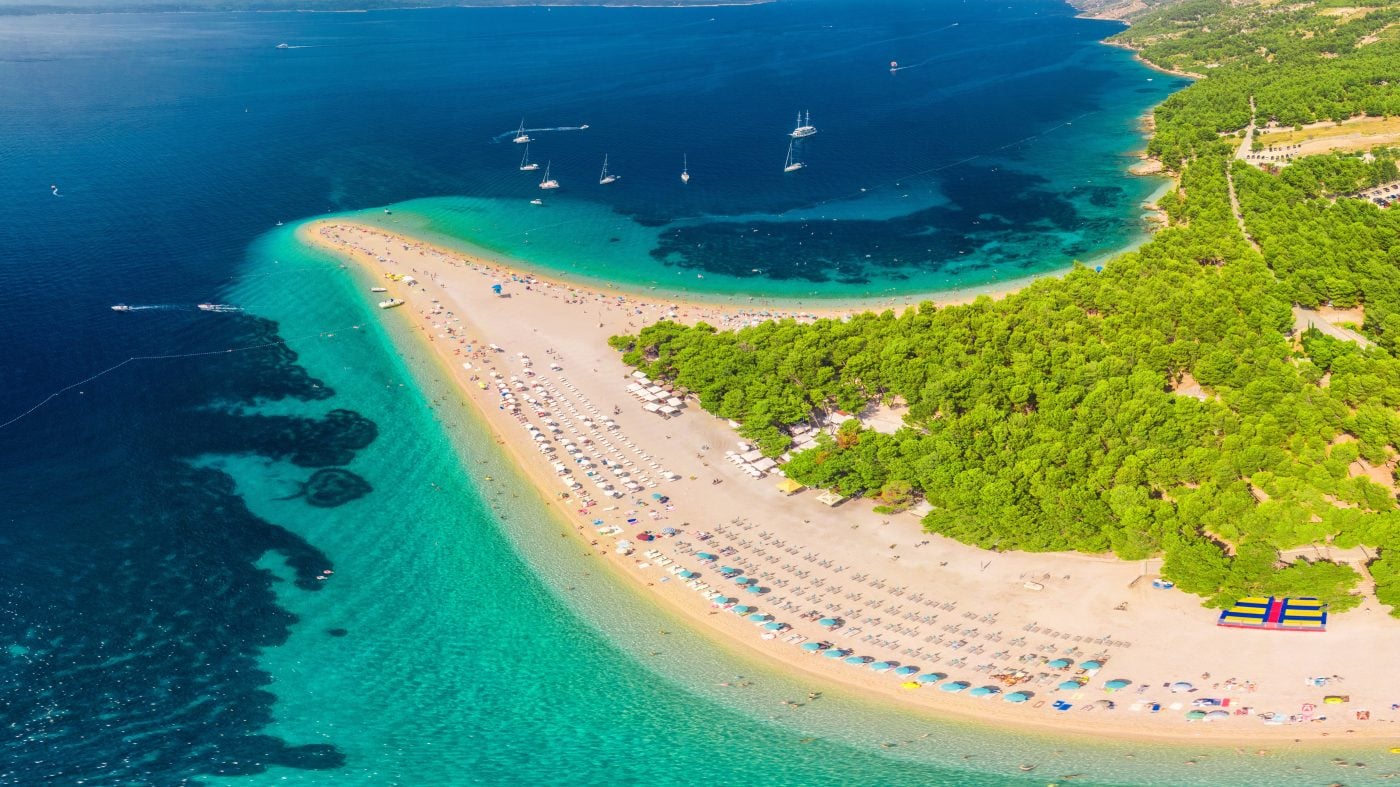
Montenegro gives you Bay of Kotor drama, clear Adriatic water and a more polished setup than some of its neighbours. It is not bargain-basement Europe, but four-star stays around €100 to €140 and dinners for two around €40 to €60 still make it look sensible next to the more famous Adriatic hotspots.
Albania is the rougher, cheaper play, but that is part of the appeal. A typical night can come in around €89 compared with more than €200 in Croatia, while still offering sandy beaches, old towns, seafood, Roman ruins and that slow Mediterranean rhythm people usually pay much more to chase.
Bulgaria deserves a place in the conversation too. Obzor on the Black Sea has been pitched as a quieter, cheaper alternative to better-known Aegean and Mediterranean resorts, with a long beach, mountain backdrop and lower package-holiday prices than many classic summer spots. It is not the name people brag about at dinner, which is partly why it still works.
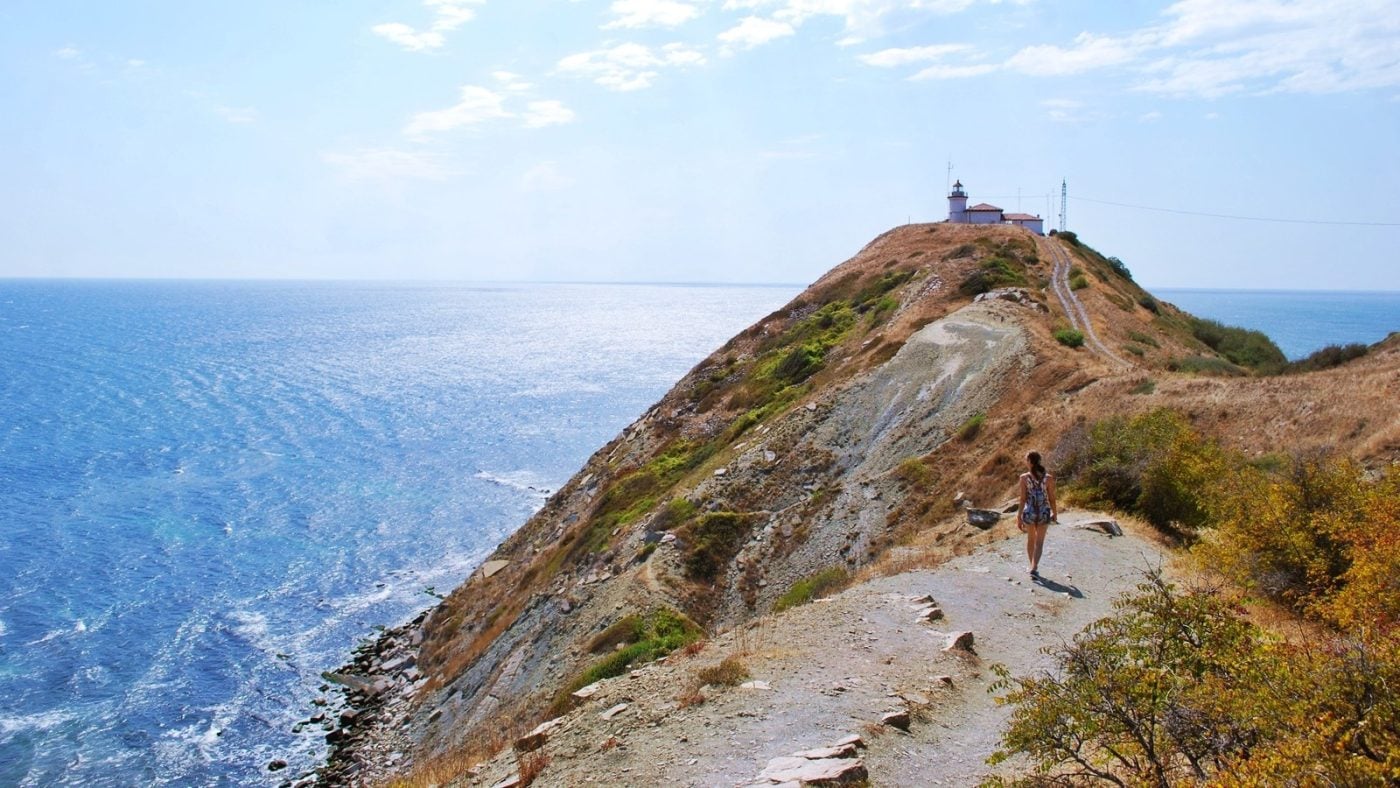
Bulgaria deserves a place in the conversation too. Obzor on the Black Sea has been pitched as a quieter, cheaper alternative to better-known Aegean and Mediterranean resorts, with long beaches, mountain views and package prices that still look refreshingly sane compared with the usual summer names.
Poland is another underrated move, especially if you want culture rather than coastline. Krakow, Gdańsk and Wrocław can still deliver handsome old towns, strong food, good hotels and proper history without the feeling that the city has been priced for tourists doing their once-in-a-decade Europe trip.
The point is not that Paris, Rome or Barcelona are suddenly bad ideas. They are classics for a reason. The point is that the smartest travellers are no longer confusing famous with best value.
Europe still works in 2026. You just have to stop treating it like a greatest-hits playlist and start travelling like someone who knows there are better songs on the album.
Read the full article Europe Still Slaps If You Stop Travelling Like A TikTok Tourist on DMARGE. Don’t miss it!


0 Commentaires