Whether you like it or not, electric cars will soon be far more common on Australian roads. As governments push for a reduction in carbon emissions, electric car production has been ramped up in an effort to reduce the amount of greenhouse gas being pumped into our atmosphere.
But that's actually a good thing. Dispel any ideas of electric vehicles being boring: even the smallest EVs are exceptionally fun to drive. Instant torque, linear power delivery, great weight distribution… Electric cars save the planet while still being pretty damn fun – so for those who enjoy speed, you may want to rethink your next car purchase if you were eyeing up a gas-guzzling tarmac-chomping monster of an SUV.
So which are the best electric cars to buy right now in Australia? We've carefully curated this list of the best electric car across a range of categories, ensuring everyone is satisfied.
If you're not ready to go fully electric but would like to save on fuel, then check out our round-up of the most fuel-efficient cars in Australia.
In this electric cars Australia story...Cadillac LYRIQMINI Electric HatchPolestar 4MG4Porsche MacanTesla Model 3BMW iXHyundai Ioniq 5Volvo EX30 Cross CountryBYD Sealion 7Audi RS e-tron GTCUPRA BornXPENG G6 Cadillac LYRIQ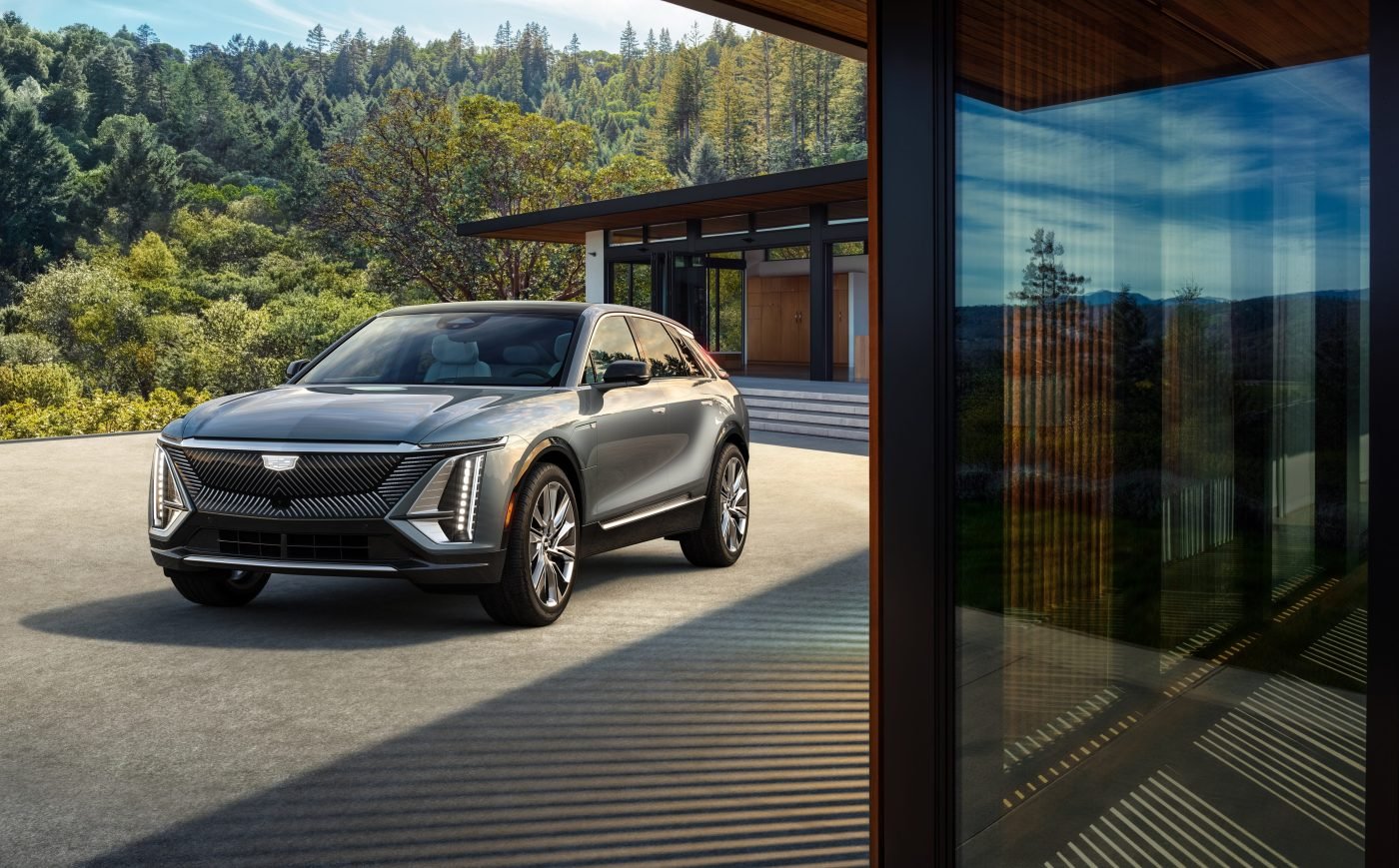 Cadillac LYRIQ
Range: up to 530km (WLTP estimate)Price: expected from $110,000 before on-road costsTest-driven: June 2025
The Cadillac LYRIQ is finally bringing American luxury electric power to Australian roads and it’s doing it in serious style. The first all-electric Cadillac to officially arrive Down Under, the LYRIQ signals a bold new chapter for the 122-year-old brand, blending modern luxury, high-end tech, and a distinctive design language that gives Europe’s best a run for their money.
Powered by GM’s Ultium battery platform, the LYRIQ delivers up to 530 kilometres of range on a single charge and a near-silent driving experience. Available in both rear-wheel drive (255kW) and dual-motor all-wheel drive (373kW) configurations, it’s quick, refined, and surprisingly agile for its size. The AWD version hits 0–100km/h in 4.8 seconds not bad for a 2.5-tonne SUV built to rival the BMW iX and Mercedes EQE SUV.
Step inside, and it’s pure theatre. A sweeping 33-inch curved OLED display dominates the cabin, wrapping around the driver like something from a concept car. The AKG Studio 19-speaker sound system co-developed with the same brand that tunes recording studios makes Spotify playlists sound live. Cadillac has leaned heavily into craftsmanship too: open-pore wood, laser-etched metal trim, and an ambient lighting package that feels more boutique hotel than car.
On the road, the LYRIQ feels unmistakably American smooth, powerful, and unhurried. It glides across Sydney’s roads with effortless confidence, and thanks to adaptive damping and near-perfect 50/50 weight distribution, it manages to feel both substantial and responsive. Charging speeds are solid too, with up to 190kW DC fast charging getting you from 10–80% in just over 35 minutes.
The LYRIQ isn’t here to play catch-up it’s heqre to redefine what American luxury looks like in the EV age. It’s less brash than a Tesla Model X and more emotional than a BMW iX, combining performance, elegance, and tech in a package that feels genuinely aspirational. For buyers who want something fresh, distinctive, and premium without going European, the Cadillac LYRIQ is the dark horse to watch.
ProsConsElegant American design with luxury interiorSuperior sound system to any EV in marketStrong performance and 530km rangeStunning 33-inch curved OLED displayLimited first-year availability in AustraliaPricey compared to Chinese and Korean rivals - but it's luxury at its finestRead DMARGE's full review of the Cadillac LYRIC
MINI Electric Hatch MINI Electric Hatch
Range: up to 233km Price: from $71,169 drive awayTest-driven: 31 August 2022
Overseas, there's plenty of variety when it comes to small electric cars or electric city cars. Australia hasn't quite caught on to the joys of small EVs just yet, but there is one fun small electric car for sale here: the MINI Electric Hatch.
Australia's smallest electric car is also one of its most stylish, with its retro aesthetic and dapper interior an antidote to the idea that electric cars are boring.
The MINI Electric Hatch is even better on fuel (chiefly because it doesn’t use any) but also makes 135kW/270Nm – quite a lot for a car that’s almost a metre shorter and 50% more powerful than a Toyota Corolla Hybrid, by way of comparison. Ride and handling are also typically MINI: responsive, snappy and punt-able.
You don't get oodles of interior space, and its performance and range credentials are hardly segment-leading... But like most MINIs, you're not really buying it for its practicality per se. That said, its diminutive size is a real selling point. It's a charming electric car that makes driving fossil-fuel-free a rather fun endeavour.
ProsConsIt’s one of the most stylish electric carsIts interior follows a retro aestheticDespite the size, it’s very powerfulLow rangeIt’s not a large vehicleCheck out our full MINI Electric Hatch review to find out more.
Discover the MINI Electric Hatch Polestar 4 Polestar 4
Range: up to 450kmPrice: from $78,500 before on-road costsTest-driven: 27 April 2025
If you thought the Polestar 2 was impressive, wait until you experience the Polestar 4. The Swedish electric performance brand has dialled things up with a sleeker coupe SUV design, a faster powertrain, and the kind of minimalist luxury that makes even the Germans nervous. It’s the first Polestar model that feels truly futuristic while remaining surprisingly practical.
Under the hood, you’ll find the same dual-motor setup shared across the Geely-Volvo family, with outputs of up to 400kW and 686Nm in the top-spec version. The Polestar 4 will do 0–100km/h in just 3.8 seconds, which puts it in sports car territory. Range sits comfortably around 400–450 kilometres depending on configuration — more than enough for daily driving and weekend trips alike.
Step inside and it’s a Scandinavian masterclass in restraint. There are no gimmicks or over-the-top flourishes, just a clean cabin built from recycled and sustainable materials. The Harman Kardon sound system is one of the best in class, and the Android Automotive infotainment feels polished and intuitive. The panoramic glass roof floods the cabin with light, and the decision to replace the rear window with a digital feed works surprisingly well in real-world conditions.
Out on Sydney’s roads, the Polestar 4 feels composed and sure-footed. The steering is sharp, the body control is exceptional, and the balance between comfort and agility is spot on. It’s the sort of car that makes you want to take the long way home, even when traffic’s bad.
Polestar has created something quietly special here — a car that feels like the future without shouting about it. With strong performance, premium materials, and a distinct design identity, the Polestar 4 is easily one of the most compelling EVs on sale in Australia right now.
ProsConsFuturistic coupe-SUV designLuxury Scandinavian interiorSports car performance with real comfortNo rear window (camera-only view)Range could be betterCheck out our full Polestar 4 review to find out more.
Discover the Polestar 4 Zeekr 7XZeekr 7X
Range: up to 660 km (single motor) / 620 km (dual motor)Price: expected from $69,990 before on-road costsTest-driven: September 2025
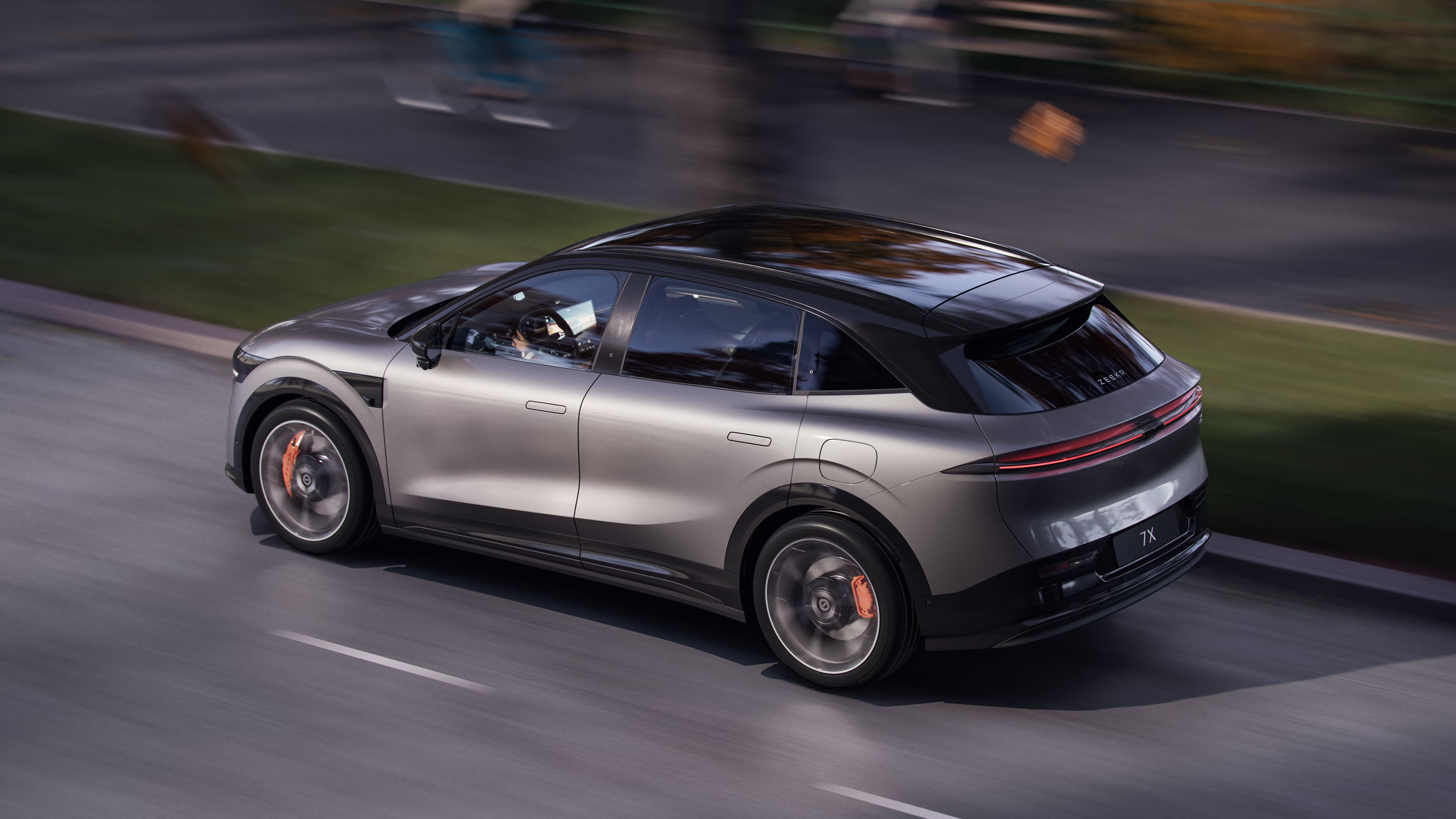
China’s Zeekr is the quiet disruptor of the premium EV world. It’s a sub-brand of Geely, the same group that owns Polestar and Volvo. The Zeekr 7X is its global flagship SUV and the first Zeekr model expected to officially reach Australia. Think Scandinavian restraint meets Shanghai confidence, minimal yet bold, refined yet distinctly new money.
Built on the SEA electric platform shared with Volvo and Smart, the 7X feels properly premium from the moment you step inside. The interior is finished with soft-touch materials, an intelligent 27-inch infotainment display and a 12.3-inch digital cluster behind the wheel. Zeekr’s use of sustainable, leather-free materials and ambient lighting that changes with driving modes makes the cabin feel futuristic without being cold.
Under the skin, the 7X delivers serious numbers. The rear-wheel drive version produces 310 kW of power and a claimed range of up to 660 kilometres, while the dual-motor AWD variant offers 400 kW and 620 kilometres of range along with a 0–100 km/h sprint of just 3.8 seconds. Charging is equally impressive, with 800-volt architecture allowing the battery to top up from 10 to 80 per cent in under 20 minutes using a DC fast charger.
On the road, the Zeekr 7X feels quiet, precise and unexpectedly European in its handling thanks to adaptive air suspension and a low centre of gravity that helps this mid-size SUV corner like a grand tourer. You get the sense Zeekr isn’t trying to copy Tesla or BMW. It’s building its own identity from the ground up.
Outside, the 7X is sleek and confident without being loud. Hidden door handles, frameless windows and a continuous LED light bar give it a distinctive look that sits comfortably between luxury and tech. It’s the kind of SUV that turns heads in Woollahra and looks just as at home in Byron.
If Zeekr can deliver local support and pricing as aggressive as its performance figures, the 7X could be one of the most compelling new EVs to hit Australia this year. It’s a genuine rival to the Tesla Model Y Performance, Polestar 4 and BMW iX3.
ProsCons660 km range and lightning-fast chargingHigh-tech, luxurious interiorSports-car acceleration with refined rideDope designBrand still new to AustraliaUnknown resale and service network Discover the Zeekr 7X MG4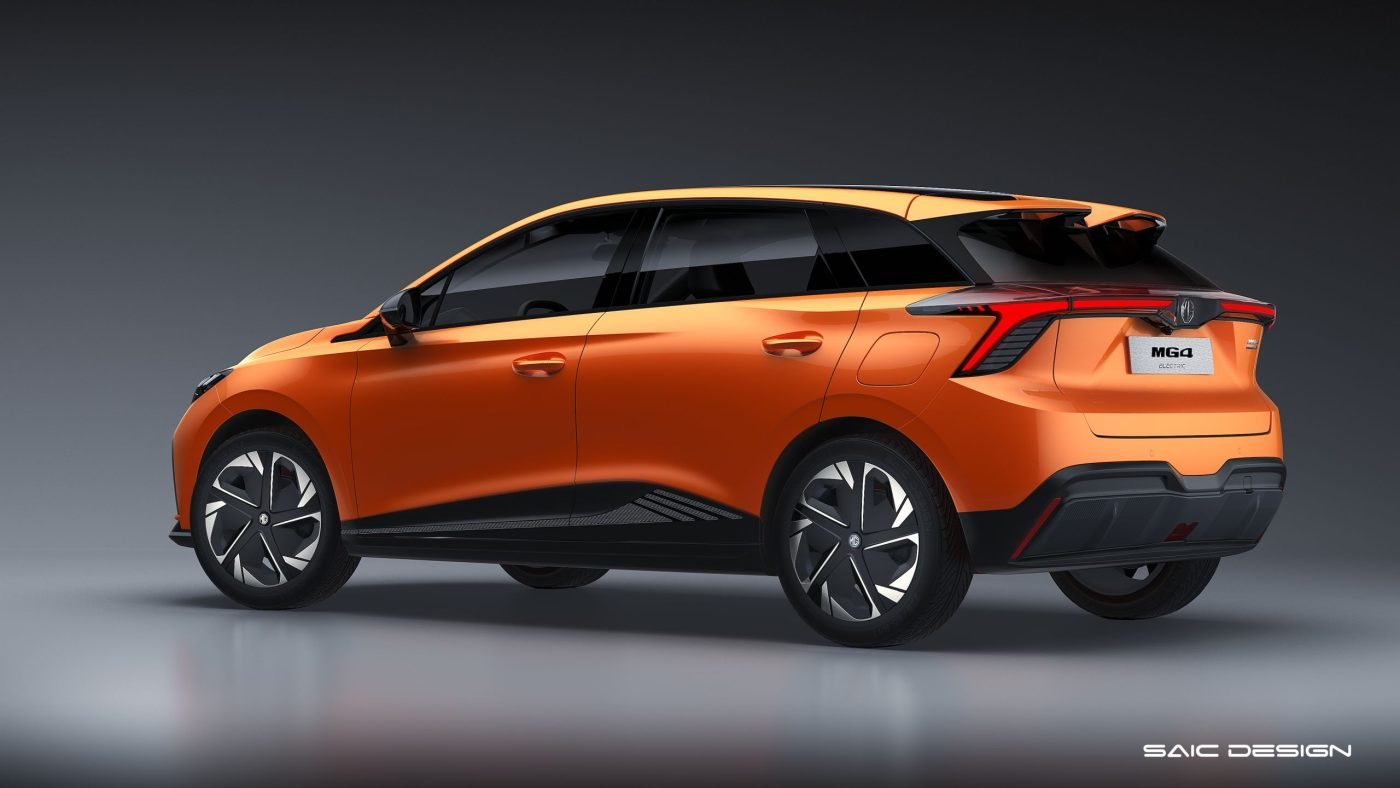 MG4
MG4
Range: up to 530 km (Long Range) / 435 km (Excite)Price: from $40,990 before on-road costsTest-driven: August 2025
The MG4 is proof that affordable electric cars don’t need to look or feel cheap. It’s MG’s most accomplished EV yet, and one of the few genuinely fun electric hatchbacks on the market right now. Compact, agile and surprisingly premium inside, the MG4 makes a strong case for itself as Australia’s best-value electric car.
Built on MG’s new Modular Scalable Platform, the MG4 comes with a choice of battery sizes ranging from 51 kWh in the Excite to 77 kWh in the Long Range. Power outputs start at 125 kW and go right up to 180 kW, while the new all-wheel drive XPower version adds a second motor and 320 kW, enough for a 0–100 km/h time of 3.8 seconds. That puts it squarely in hot hatch territory, but without the fuel bill.
Inside, MG has taken a huge leap forward in design and quality. The cabin feels modern and practical with a floating centre console, minimalist digital dashboard and a crisp 10.25-inch infotainment display that supports both Apple CarPlay and Android Auto. There’s plenty of legroom in the back, decent boot space for the weekly shop, and a clean, clutter-free layout that’s easy to live with day to day.
On the road, the MG4 drives far better than you might expect from a budget EV. It feels planted and balanced thanks to a rear-wheel drive setup that keeps weight low and evenly distributed. Steering is responsive, ride comfort is excellent for city use, and the regenerative braking system is well tuned for smooth stop-start traffic. It’s an EV that feels genuinely enjoyable, not just efficient.
Charging is quick and convenient. The MG4 can handle up to 150 kW of DC fast charging, which gets you from 10 to 80 per cent in around 26 minutes. Home charging through an 11 kW wall box takes roughly eight hours.
The MG4 isn’t trying to be a luxury car, but it nails the basics with confidence. It’s sharp to look at, engaging to drive, and cheap to run. For anyone looking to enter the EV world without dropping six figures, this is a smart place to start.
ProsConsOutstanding value for moneyRear-wheel drive and sharp handlingFast charging and strong rangeInfotainment can feel basic compared to rivalsLimited service network outside major citiesSome interior plastics feel budget Discover the MG4 Porsche Macan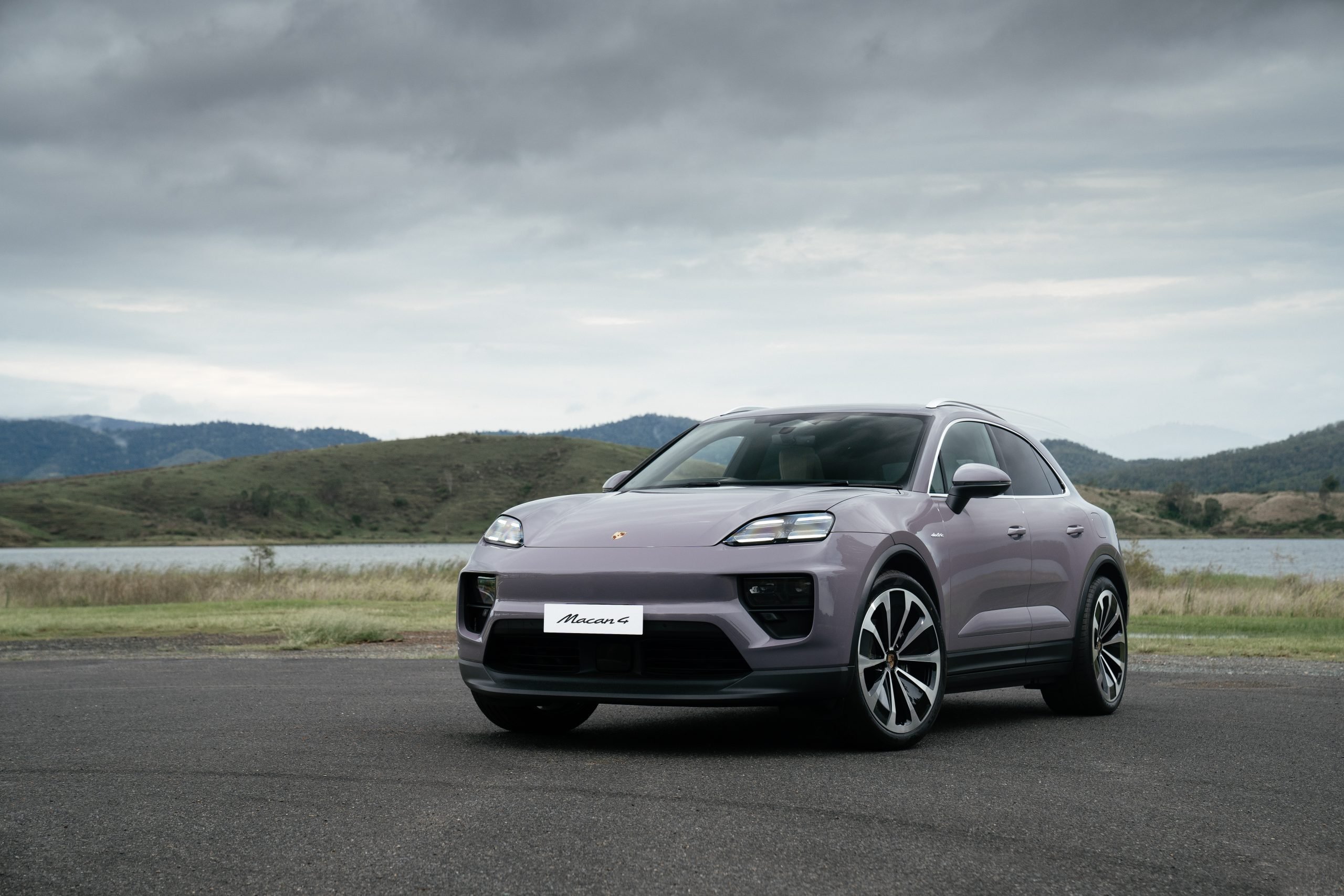 Porsche Macan
Range: up to 613 km (Macan 4) / 591 km (Macan Turbo)Price: from $133,700 before on-road costsTest-driven: May 2025
The Porsche Macan Electric is the most important car the brand has built since the Taycan. It’s the first model to use Porsche’s new Premium Platform Electric (PPE) architecture and the first to truly bridge the gap between performance SUV and daily luxury EV. In short, it’s what happens when Stuttgart’s engineers get serious about electrification.
Power comes from a dual-motor setup delivering 300 kW and 650 Nm in the Macan 4, and 470 kW and 1,130 Nm in the Macan Turbo. The Turbo version launches from 0 to 100 km/h in just 3.3 seconds, faster than most supercars, yet it still manages a 591 km WLTP range. Both models feature Porsche’s new 800-volt electrical system, which can charge from 10 to 80 per cent in around 21 minutes using a high-speed DC charger.
Step inside and you instantly know you’re in a Porsche. The driving position is spot on, the steering wheel feels alive, and every control has that reassuring click that defines the brand. The curved digital display wraps around the driver, while a central 10.9-inch touchscreen handles infotainment duties. Porsche has also introduced an optional passenger screen so your co-pilot can manage navigation, media, or quietly judge your driving.
Out on the road, the electric Macan feels like a smaller Cayenne mixed with a Taycan. The body control is tight, steering is precise and the chassis feels beautifully balanced. Active suspension and adaptive damping work quietly in the background to make sure every bump disappears without dulling feedback. It’s an SUV that drives like a sports car, and it’s this dual personality that makes it one of the most desirable EVs on sale in 2025.
Visually, Porsche hasn’t messed with success. The silhouette remains instantly recognisable, but everything has been sharpened. The headlights are slimmer, the tail light bar is sleeker, and the proportions are more athletic. It feels both familiar and futuristic, the kind of evolution that draws a crowd in Paddington as easily as it does in Portsea.
For Porsche buyers who have been waiting for an electric SUV that still feels every bit like a Porsche, the Macan Electric finally delivers. It’s fast, composed and luxurious, yet still practical enough for the weekly school run. The petrol era might be fading, but the Macan proves the driving experience doesn’t have to
ProsConsDrives like a PorscheLooks like a PorscheIt's electric Discover the Porsche Macan Tesla Model 3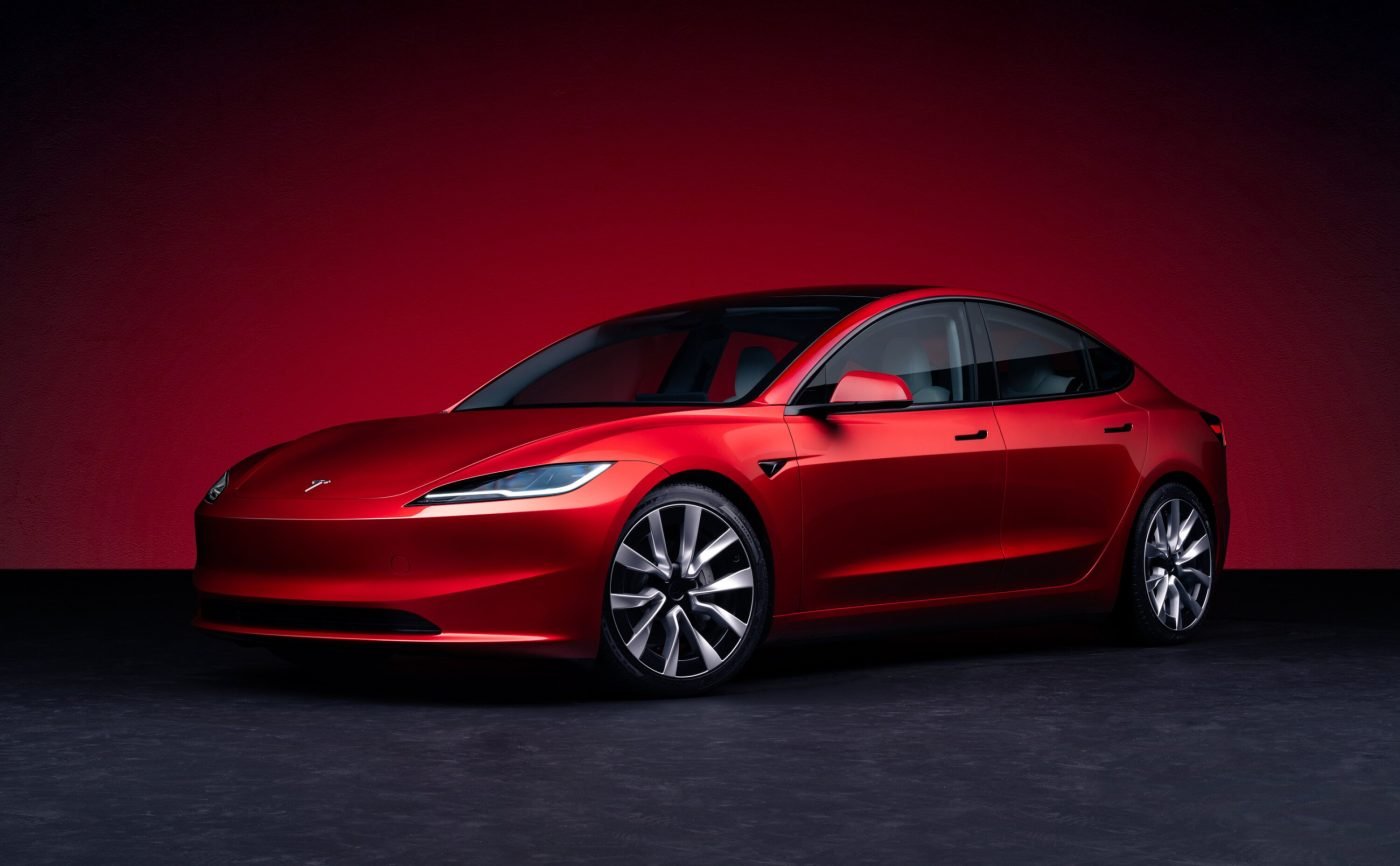 Tesla Model 3
Range: up to 602kmPrice: from $64,300 drive awayTest-driven: 25 February 2022
Meet Australia's best-selling electric car. While Tesla wasn't the first to make an electric car, it has almost single-handedly changed the public perception around EVs and catapulted them into the mainstream. Offering futuristic technologies such as self-driving capabilities, exceptional range and a fast-charging infrastructure network around the globe, there is much for the American carmaker to shout about.
The Tesla Model 3 is the most affordable car in the Tesla lineup, and just so happens to be one of the best electric sedans currently on sale in Australia (although it is beginning to face increasingly stiff competition). There are three models to choose from when you make your order: the base Model 3; Model 3 Long Range and Model 3 Performance.
The base gives you everything you could need from an electric car, while the Long Range increases the size of the battery for, you guessed it, longer range, up to 602km in fact. The Performance sees the top speed increase to 261km/h and a 0-100km/h time of 3.3 seconds. The Performance can be yours for less than $100,000.
Many will be satisfied by the base model's figures: 491km of range, 225km/h top speed and a 6.1 second 0-100km/h time. It's also relatively affordably priced: it's the yardstick by which all other electric cars are measured. No other EV on the market can match Tesla's overwhelming array of tech, though.
Inside it's incredibly minimal, with just the now-notorious large iPad-style screen dominating the cabin. You need to use this screen to control virtually all aspects of the car, which could prove cumbersome when driving, but because of the large size, it's legible and easy to navigate. The driving experience is a pleasant one, although it may take some getting used to.
All in all, the Tesla Model 3 is a great electric car, and if you're in the market for an affordable slice of luxury to ferry the family around, there's nothing better. There's a reason it's #1.
ProsConsIt has self-driving featuresYou benefit from Tesla’s fast-charging infrastructureIt has a long range of 602 kmYou can control the car using a large iPad-style displayIt can be difficult to control everything from the screenRELATED: Tesla’s Little-Known Race Cam Feature Could Help Win Over EV Skeptics
Discover the Tesla Model 3 BMW iX BMW iX
Range: up to 630kmPrice: from $135,900 drive awayTest-driven: 1 September 2022
The BMW iX signals BMW's refreshed push into electric power. With a fresh design language (albeit sharing similarities with the X5 SUV) such as frameless doors and more rounded surfaces, it's certainly an electric car that's going to turn heads. The polarising kidney grille made notorious by the new M3 / M4 makes an appearance here too. Although in this instance, it's not actually a grille but a composite panel behind which you'll find sensors and cameras which are used in driving assistance technologies.
There are four models of BMW iX available in Australia: the standard iX (which is split into three variants, the xDrive 40, xDrive 40 Sport and xDrive 50 Sport) and the more performance-orientated iX M60. Power for the xDrive 40 is rated at 240kW, the xDrive 50 gets 320kW while the M60 maxes out at 455kW. In all iX models, power comes by way of two separate motors, one attached to each axle, which allows it to be constantly analysed and varied depending on driving conditions. BMW claims the iX M60 can do 0-100km/h in 3.8 seconds and has a top speed of 250km/h.
Inside is a far more minimal affair than we've come to expect of BMW, with barely a physical button in sight (I know, no buttons in a Beamer!) The majority of the cockpit is dominated by a couple of digital screens, although they are housed within one large curved mount. BMW's iconic rotary dial is still present, however, which can make navigation a lot more simple. And, despite its large SUV size, you only get five seats, although these do come with a generous amount of headroom.
Charging the BMW iX can be done at a maximum of 200kW, meaning you can charge up to full in around 35 minutes. For owners using the 11kW home wall box, you'll be waiting 11 hours for a full battery.
The BMW iX is an exciting electric car for sure. Some of you may have preconceived opinions about BMW (or rather, BMW drivers), but they do know how to make a solid, well-performing car, and the iX electric car is certainly no different. We're keen to see even more electrified models come from the German carmaker in the future.
ProsConsYou get multiple digital screens to control the carIt is spaciousIt has an amazing infotainment systemIt’s not the cheapest electric carThere’s barely any physical button insideRELATED: Meet BMW’s Cool Electric Car That Can Change Colour
Discover the BMW iX Hyundai Ioniq 5 Hyundai Ioniq 5
Range: up to 451kmPrice: from $72,000 before on-road costs
The Hyundai Ioniq 5 went on sale in mid-December 2021 in Australia and sold out instantly. Only a few hundred models were destined for Down Under to begin with, but such was the hype around this car from the South Korean carmaker that those units were snapped up in an instant.
So what makes the Hyundai Ioniq 5 so special? Firstly, just look at the thing. With retro-inspired angles everywhere (we're arguing the Lancia Delta served as some inspiration) the Ioniq 5 is a truly gorgeous car to look at. It fits firmly into the midsize SUV bracket too and closely resembles the Hyundai Tucson, despite it seeming like it would be more of a hatch, from pictures at least.
Inside Hyundai managed to swamp you with space. The colour scheme aids its light and airy atmosphere, but considering this isn't a 'large' car, it boggles the mind how Hyundai has managed to offer you so much room. There could be a couple of grievances from customers, such as potentially unused space down in front of the armrest, and the armrest itself could have been made larger or extra storage could have been installed. But overall, it's an incredible place to find yourself sitting. Seats are supportive and comfortable and the front seats can even recline to practically flat levels.
Infotainment is taken care of by way of two 12.3-inch screens for media controls (both Apple CarPlay and Android Auto are supported) and the instrument cluster. Audio experts Bose have provided the eight-speaker sound system, so it should sound as good inside as the car looks from the outside.
There are two models of the Ioniq 5: a single-motor Ioniq 5 2WD and a dual-motor version with AWD. Power output is rated at 160kW and 225kW respectively and range is claimed to be 451km and 430km, respectively. When it comes time to recharge, a standard 240v output will top the Ioniq 5 up to 100% in just over six hours.
However, the Ioniq 5 is also capable of accepting 50kW fast, and 350kW ultra-fast charging methods, which reduces charge times significantly. The 50kW method will get you up to 80% in around an hour, while ultra-fast charging sees that time come down to just under 20 minutes. You will of course need to find such a charging system when on the road.
Speaking of being on the road, the Hyundai Ioniq 5 sure is comfortable to cruise around in. The hefty kerb weight it carries can show up when going around corners at some speed, or even over speed bumps, but in general, there is little to complain about. Plus, it's incredibly quiet inside, allowing you to further revel in that Bose sound system.
For now, you'll need to register your interest if you want to be in with the chance of securing yourself an Ioniq 5 (it is available in Australia, it just proved to be so popular that it's sold out) and while it may be the most expensive car in Hyundai's entire lineup, it's without a doubt one of the coolest (let's not forget the fiery N series). A truly remarkable electric car if ever there was one.
ProsConsIt offers quite a lot of roomThe front seats can recline until they’re almost flatThere are two 12.3-inch screens that offer you better controlThe armrests are not large enough Discover the Hyundai Ioniq 5 Volvo EX30 Cross Country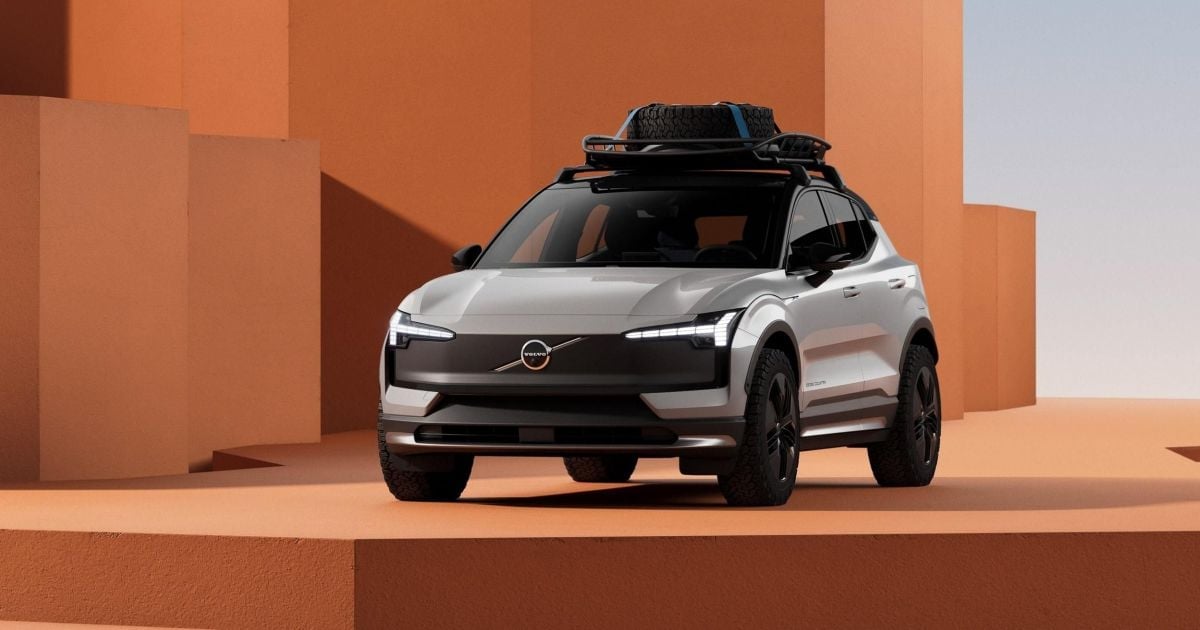
Range: up to 427 km (AWD twin-motor)Price: from $69,990 before on-road costs
The EX30 Cross Country takes the compact Swedish EV you know and gives it outdoor credentials without compromising style. Volvo has lifted the ride height, added chunky cladding, skid plates and all-wheel drive to deliver an EV that not only handles city streets with ease but also seems ready for light off-road detours.
Under the skin you get the twin-motor all-wheel-drive setup delivering around 315 kW and 543 Nm of torque, offering rapid acceleration and a crisp driving feel. Thanks to the 69 kWh battery pack the claimed range sits at around 427 km, very credible for a car of its size and dynamics. On the road the raised suspension and tougher tyres mean it handles rough patches and unsealed drives with more confidence than the standard version.
Inside the cabin the Cross Country remains true to Volvo’s Scandinavian minimalism. The same clean layout you’d expect from the standard EX30 is present, but with an added sense of rugged refinement — premium materials, durable finishes and a smart layout make it feel like a premium compact SUV. The tech is modern too: a 12.3-inch central display, wireless CarPlay and ample driver-assistance features keep it in step with its peers.
Visually the Cross Country stands out. The elevated stance, rugged detailing and unique exterior touches make it distinct from the standard model. It looks ready for adventure yet equally at home outside a high-end café in Sydney. That versatility gives it broad appeal, from young families to urban professionals who occasionally head “off the grid”.
If you’re after a compact EV that doesn’t compromise on style or performance but adds a bit of versatility for weekend getaways or rougher roads, the EX30 Cross Country ticks the box. It’s smart, refined and just robust enough to feel ready for whatever Australia will throw at it.
Discover the Volvo EX30 Cross Country BYD Sealion 7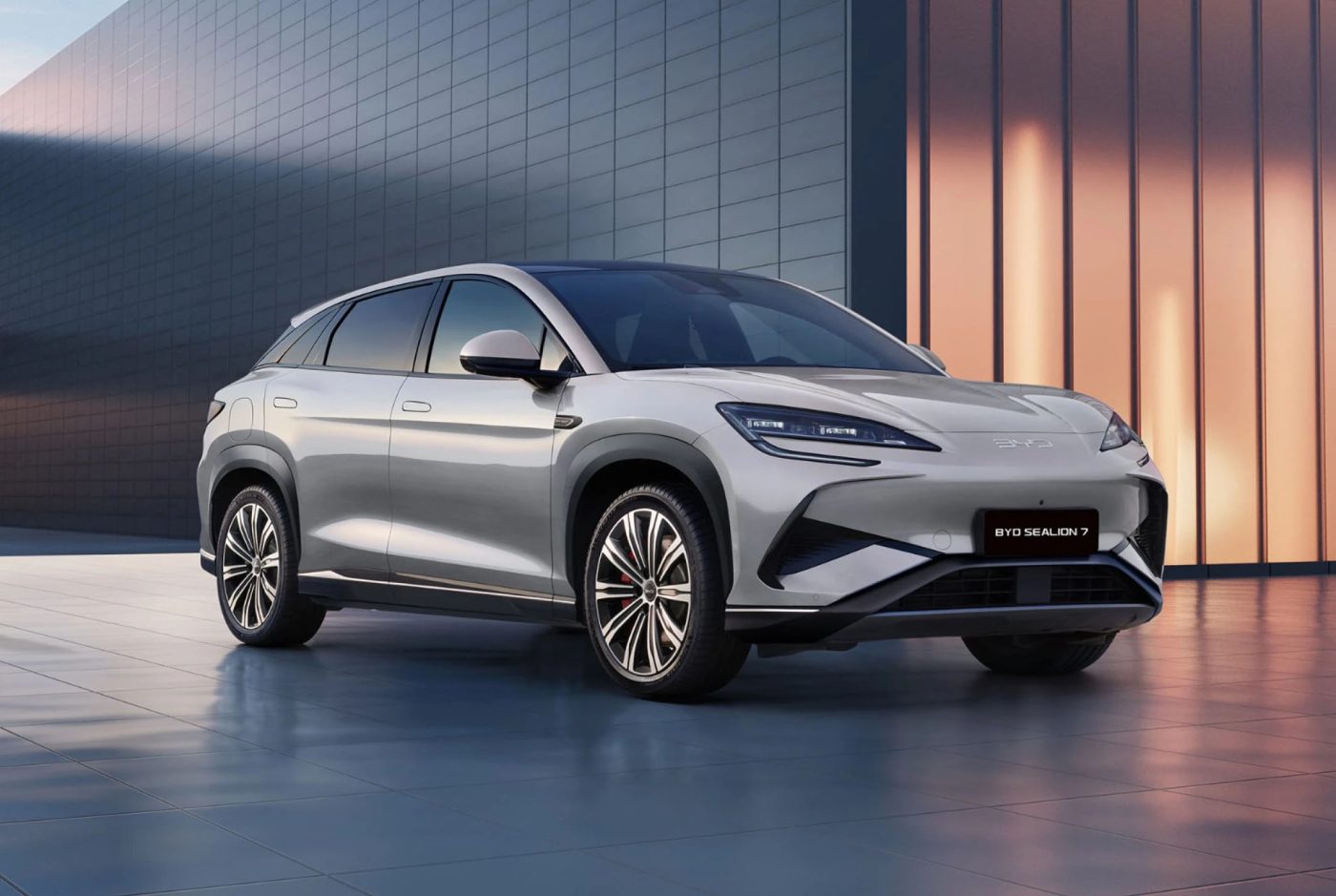 BYD Sealion 7
Range: up to 482 km (Premium) / 456 km (Performance)Price: from $54,990 before on-road costsTest-driven: Australia, early 2025
The BYD Sealion 7 marks a major leap forward for the Chinese electric brand. It’s bigger, faster and more refined than the Atto 3 it replaces, aimed squarely at the likes of the Tesla Model Y and Hyundai Ioniq 5. Sitting on BYD’s latest e-Platform 3.0, it packs an 82.56 kWh battery and comes in two configurations: a single-motor rear-wheel drive Premium or a dual-motor all-wheel drive Performance model. The latter will launch from 0–100 km/h in just 4.5 seconds, while the more efficient Premium still offers plenty of grunt and up to 482 kilometres of range on a single charge.
On the road, the Sealion 7 feels impressively composed. The ride quality is supple yet controlled, handling is tight for an SUV of its size, and there’s none of that body roll you might expect from a family EV. It’s quick when you want it to be but refined when you don’t an ideal balance for Australian roads, whether you’re commuting through Sydney traffic or cruising down to the coast.
Inside, it’s clear BYD has done its homework. The interior design feels modern and premium, anchored by a 15.6-inch rotating touchscreen that runs BYD’s latest OS with wireless Apple CarPlay and Android Auto. The cabin materials feel solid and the layout is refreshingly straightforward, with a digital instrument cluster, floating centre console, and comfortable seating front and back. Passenger space is generous, and boot capacity makes it a proper family car rather than just a tech experiment.
From the outside, the Sealion 7 looks sleek and confident, with smooth body lines and a sculpted front end that give it genuine street presence. It’s more aerodynamic than its rivals, contributing to better range and performance, and the flush door handles and 20-inch alloys add a hint of luxury.
Where the BYD Sealion 7 really shines is in its value proposition. At a starting price of just under $55 K, it delivers features and performance you’d expect from cars costing far more. It’s BYD’s strongest statement yet that the brand isn’t just chasing affordability it’s here to compete on quality, design and technology.
ProsConsStrong value with impressive range and featuresRefined ride and powerful accelerationModern tech and premium interior designHeavier steering feel at low speedsBrand recognition still building in AustraliaEarly production supply may be limitedRELATED: American & Japanese Car Makers Are Going To Be Left Behind By China
Discover the BYD Sealion 7 Audi RS e-tron GT Audi e-tron GT
Range: up to 472kmPrice: from $181,700 drive away
Another hotly anticipated electric car to arrive in Australia this year is the Audi e-tron GT, Audi's entry into the electric performance car market. While it shares the same platform as the aforementioned Porsche Taycan, it's distinctly an Audi, and has plenty to differentiate itself from its Porsche sibling.
For starters, Audi's offering is far easier to ascertain, since there are just two models: the e-tron GT and the RS e-tron GT, which we've chosen to highlight here. The RS version may not quite compete with Porsche's top-spec Taycan Turbo S on paper in terms of power, with 'only' 440kW to hand (or 475 when overboosted) and a 0-100km/h time of 3.3 seconds... But that's still plenty fast. We feel this sacrifice, for want of a better word, is worth the cost-saving over the Porsche.
For us (and we imagine many of you) the real selling point for the RS e-tron GT (and its non-RS sibling) is how it looks. This is one of the best-looking Audis to have ever been released in our opinion, and we'll have no arguments suggesting otherwise. It's simply gorgeous, offering a blend of futuristic space-age looks with classic, bold and muscular proportions.
Inside continues the standard Audi affair. The German carmaker is a dab hand at designing places you simply don't want to get out of, and the e-tron GT continues that trend. The driving position is incredible and you're surrounded by an immersive cockpit comprising digital screens and physical buttons. Everything is laid out ergonomically, so you shouldn't have any issues making changes to settings whilst keeping your eyes on the road. You can even opt for a vegan leather package that makes your e-tron GT even more eco-friendly.
As for charging, Audi has equipped the e-tron GT with the ability to charge up to 270kW, which will provide around 100km of range from just a 5-minute top-up, or from 5% battery to 80 in a little under 23 minutes. Of course, this is assuming you have access to such a fast charger. For most owners using a standard 11kW box at home, you'll need to plug it in overnight, as a 5 to 80% charge will take around 9 hours.
How does it drive? Like the Taycan, it's ridiculously fun, well-composed and ultimately, provides a wholly entertaining driving experience. It accelerates well (obviously) comes to a stop with even more enthusiasm, and can handle itself through corners, which can be somewhat attributed to the sheer weight of the thing. At over 2,300kg, it weighs more than an Audi Q7 SUV.
ProsConsIt’s one of the best-looking Audi carsIt is easy to control the vehicle with the buttons and digital screensYou can go for an eco-friendly vegan leather packageIt’s not the most powerful carIt’s an expensive vehicleRELATED: Audi’s New Electric Sports Car Leaves Australian Luxury Buyers With Quite The Predicament
Discover the Audi RS e-tron GT CUPRA Born CUPRA Born
Range: up to 511km (TBC)Price: from $59,990 before on-road costs
For those who don't know, CUPRA is the offshoot brand of Spanish carmaker SEAT. SEAT is part of the Volkswagen Group, so shares much in common with the likes of VW, Škoda and Audi. CUPRA was originally just SEAT's performance division (like BMW's M or Nissan's Nismo) but it has now become its own brand – and it's just launched in Australia, ahead of many other markets.
The CUPRA Born will actually be the first Volkswagen Group MEB platform vehicle to arrive Down Under, as it'll beat the Škoda Enyaq and VW ID.3 to market by a solid 12 months. That means it'll be our first taste of an affordable EV from the Volkswagen Group – and it's a pretty exciting taste. Sporty, keenly priced and with decent range, the CUPRA Born is an exceedingly exciting car that's got the Tesla Model 3 squarely in its sights.
A single e-Boost model will be available, with a 77kWh battery and a rear-mounted motor making 170kW/310Nm and good for a 0-100km/h time of 7 seconds. A Performance Pack will give you larger, stickier tyres and adaptive damping with the cost of a bit of range. 170kW DC fast charging will be supported, allowing you to charge from 5 to 80% in 35 minutes.
The CUPRA Born also just feels pretty special. With one-piece bucket seats as standard, a premium interior that'll remind you of an Audi and plenty of Spanish charm, it's a fun little thing. Despite being a high-tech EV, it's kind of a return to the rear-wheel drive hot hatches of the 80s.
ProsConsThe tyres are larger and more secureIt uses 170kW DC fast chargingIt has a sporty look that will grab everyone’s attentionIt uses fake carbon fibre textures on the insideRELATED: CUPRA Is The Most Exciting Car Brand Australia’s Seen For Decades
Discover the CUPRA Born XPENG G6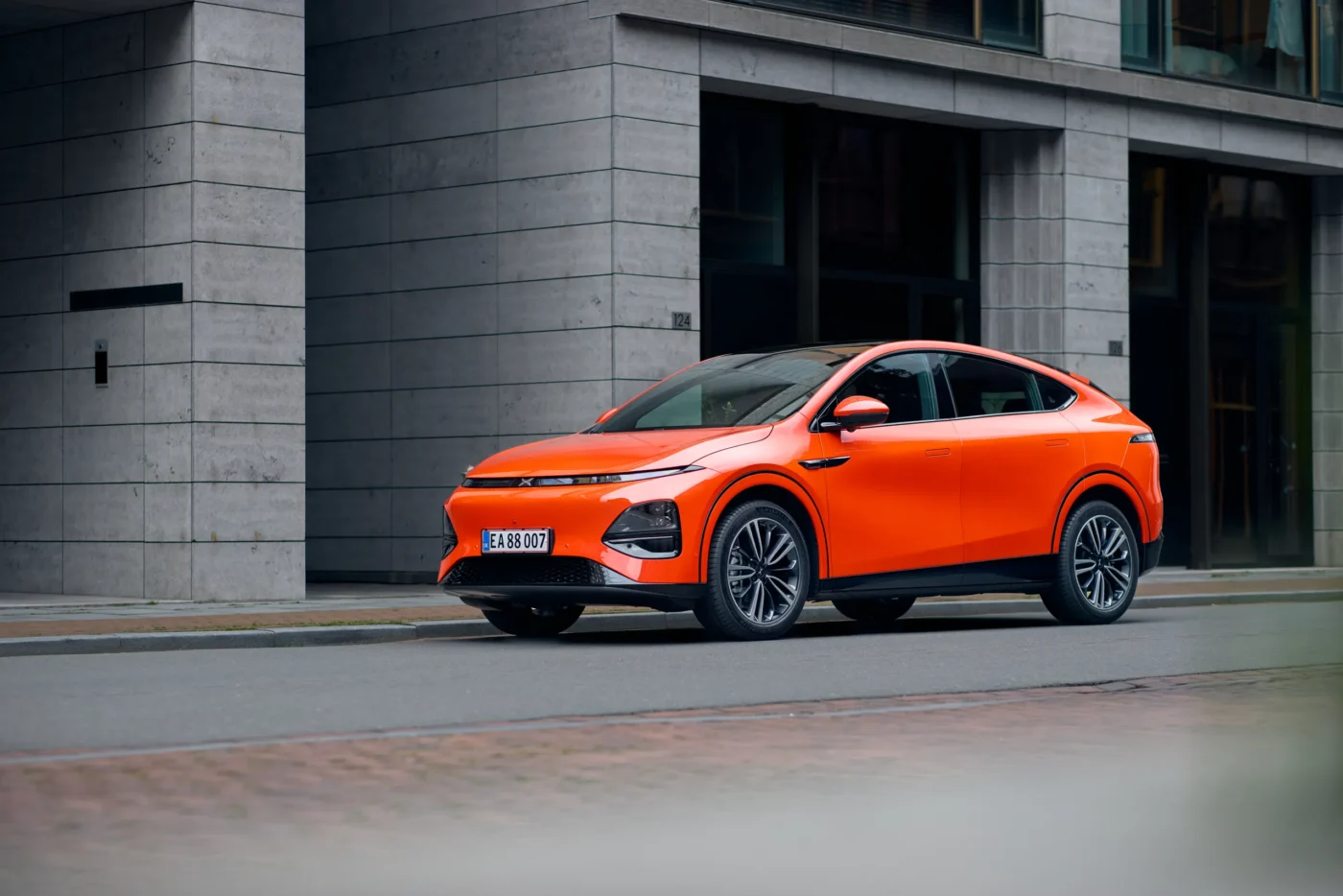 XPENG G6
Range: up to 570 km (Long Range) / 435 km (Standard Range)Price: from $54,800 before on-road costsTest-driven: September 2025
The XPENG G6 is one of the most talked-about new arrivals in the Australian EV market. It’s a mid-sized coupe-style SUV that blends sharp design, impressive range and serious technology in a package that feels more premium than its price suggests.
Power comes from XPENG’s next-generation SEPA 2.0 platform with two battery options. The single-motor rear-wheel-drive version delivers up to 570 kilometres of range, while the dual-motor all-wheel-drive model cuts that to 435 kilometres but adds proper sports-car pace. Instant torque and tight steering make it feel athletic without being twitchy, and the suspension is tuned for comfort on rougher city roads.
Inside, the G6 feels distinctly modern. A wide digital display dominates the dashboard and is paired with a second screen for the driver. The clean interior layout, floating centre console and ambient lighting help create an upscale atmosphere that rivals far pricier European brands. Materials feel solid, and space in both rows is generous enough for families.
Out on the road the G6 feels refined, composed and quiet. There’s an instant surge of power when needed, yet the throttle response is smooth enough for daily driving. Ride comfort is excellent, and the car’s aerodynamics give it an efficiency edge over most competitors. Charging is quick too, with its 800-volt architecture allowing a 10-to-80 per cent top-up in under 20 minutes using a DC fast charger.
XPENG’s ambition is clear. The G6 doesn’t just compete on price; it challenges established EV players on design, technology and driving experience. It’s stylish enough for city life and capable enough for long-distance road trips, all while undercutting rivals like the Tesla Model Y and Polestar 4 on value.
Discover the XPENG G6Read the full article 14 Best Electric Cars In Australia For 2025 | Tested & Driven By Our Editors on DMARGE. Don’t miss it!


0 Commentaires