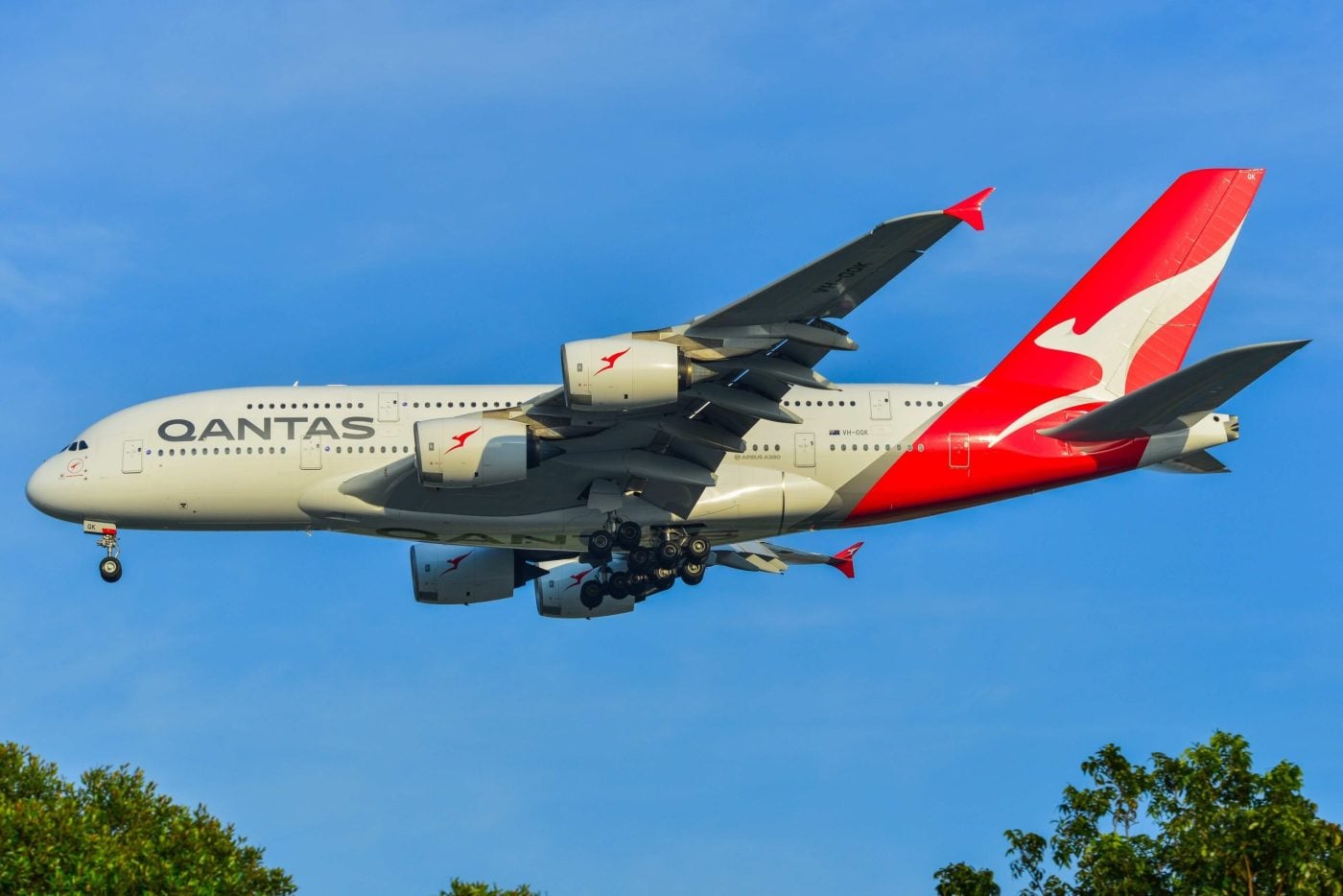
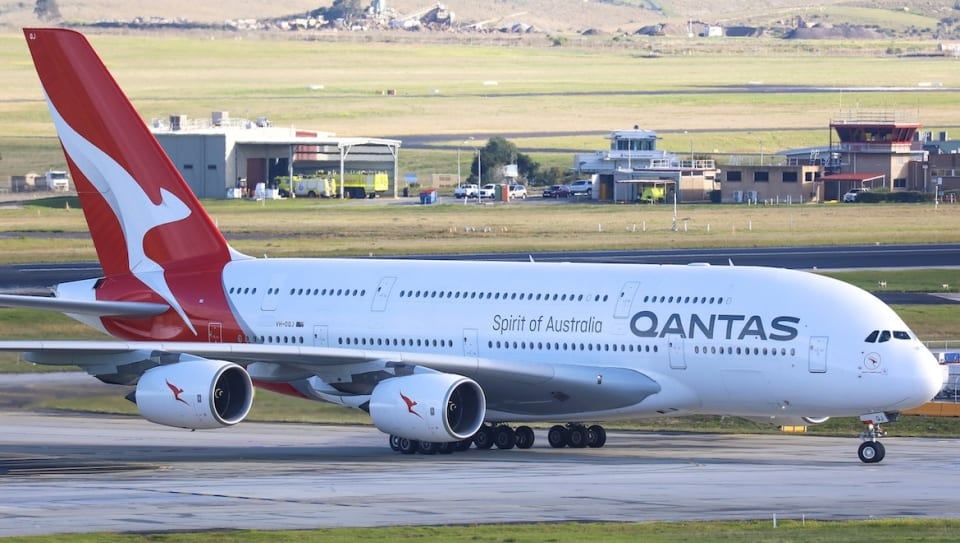
The Airbus A380 was supposed to change aviation forever. For Qantas, it certainly changed long-haul travel. The double-decker giant became the flagship of the airline's international fleet, carrying passengers between Australia and destinations including London, Dallas and Singapore while helping define an era of big aircraft and even bigger ambitions.
That era is now approaching its final chapter. Qantas is preparing for life after the A380, with plans taking shape to replace its fleet of 10 superjumbos during the early 2030s.
The challenge is that the airline's next move comes at a time when aircraft shortages, delivery delays and rising demand are making every fleet decision more expensive and more complicated.
RELATED: Qantas Is About To Find Out If Passengers Really Want A 22 Hour Flight
The Clock Is Ticking On The A380The retirement of the A380 has never been a secret. Qantas has previously confirmed that the Airbus A350 will ultimately take over from the ageing superjumbo fleet, while additional Boeing 787s also remain part of the airline's long-term planning. The carrier is already in the middle of a record $15 billion AUD fleet renewal programme, replacing older aircraft across both its domestic and international networks.
The problem is timing. Global aircraft manufacturers are still battling supply chain bottlenecks that emerged during the pandemic, creating lengthy delivery queues for airlines around the world. Industry figures show aircraft order backlogs have continued to climb, with demand for new jets significantly outpacing deliveries.
That means airlines can no longer wait until the last minute to place major orders. A decision made today may not result in an aircraft arriving until the next decade.
RELATED: Qantas Launches ‘Peasant Plus’ Making Economy Less Miserable From Just $30
A Bigger Bet Than Simply Buying New PlanesQantas is not just replacing an aircraft. It is deciding what long-haul travel will look like after the superjumbo era.
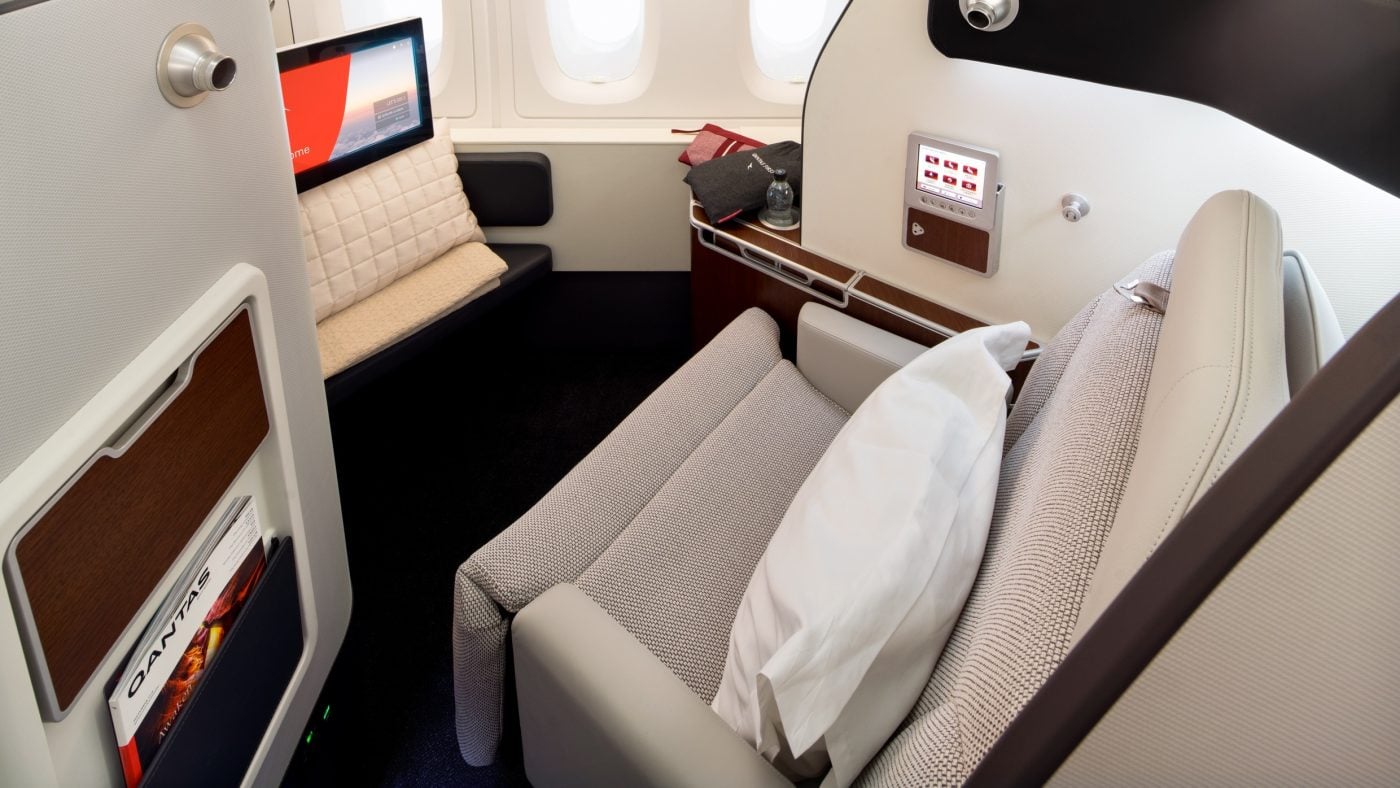
The airline is increasingly focused on more efficient twin-engine aircraft such as the Airbus A350 and Boeing 787, both of which consume less fuel than the four-engine A380 while offering the range needed for ultra-long-haul routes. Chief executive Vanessa Hudson has already signalled the airline's preference for newer, more efficient aircraft as fuel costs remain a major consideration.
The shift also ties directly into Project Sunrise, Qantas' plan to operate non-stop flights from Australia's east coast to destinations including London and New York. Those routes will rely on specially configured Airbus A350s capable of flying farther than any aircraft currently in the airline's fleet.
The A380 may still have years of service ahead of it, but its successor needs to be chosen long before the final superjumbo leaves the runway.
That is what makes this decision so significant. Qantas is not merely replacing its biggest aircraft. It is making a multi-billion dollar bet on the future of international travel.
Read the full article Qantas Faces A Multi-Billion Dollar Call As The A380 Nears Retirement on DMARGE. Don’t miss it!


0 Commentaires