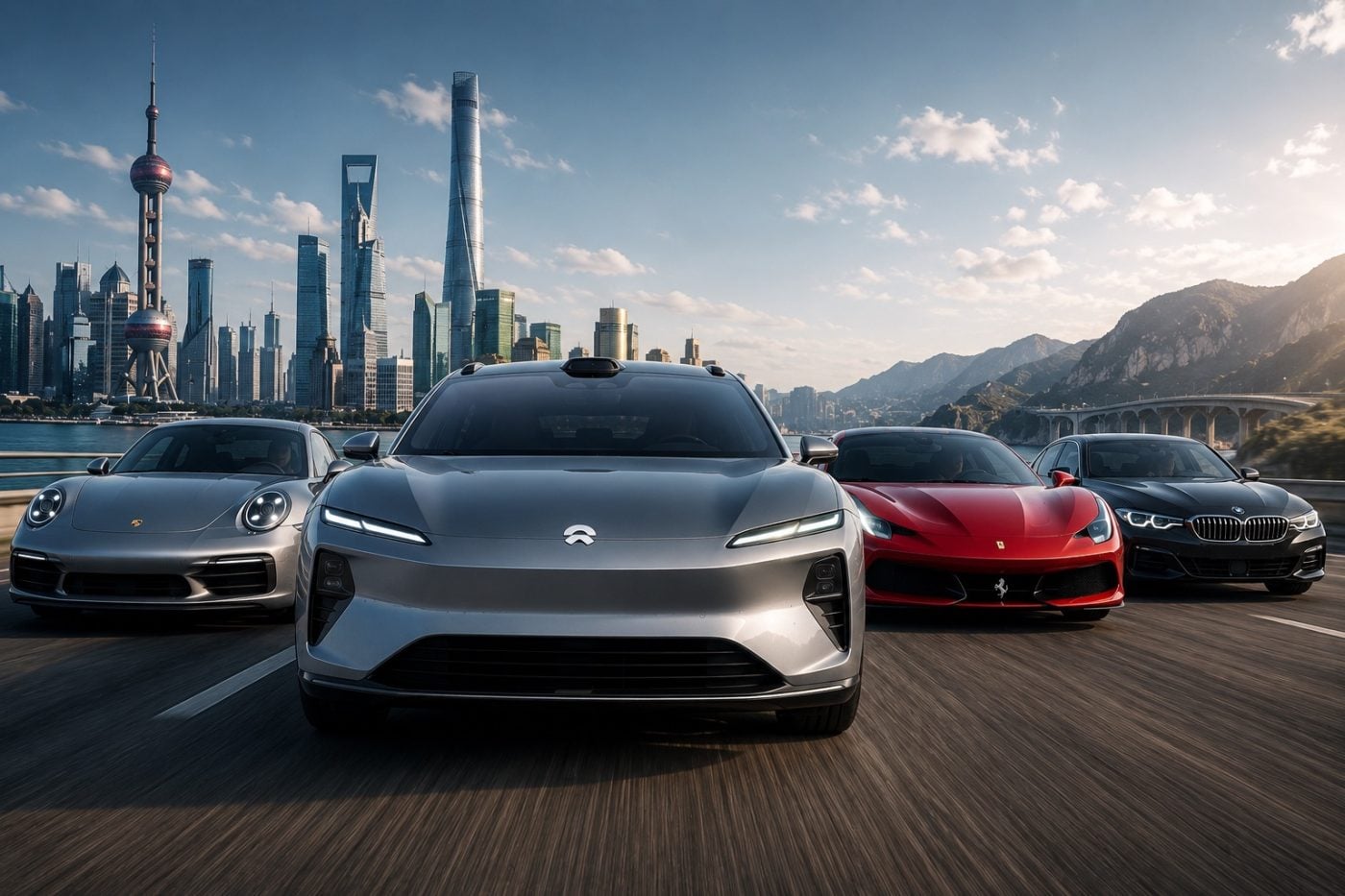
Last September a Chinese car went 496km/h on a test track at Papenburg in northern Germany. Not a concept and not a one-off, but a road-registrable production car: BYD's Yangwang U9 Xtreme, four motors, 1200-volt architecture, close to 3000 horsepower.
Weeks later it lapped the Nürburgring in 6:59.157, the first production EV under seven minutes, clear of a Rimac Nevera and a Porsche Taycan Turbo GT.
Then it sold 945 cars. Not the U9. Yangwang, the entire brand, across the first quarter of this year.
That gap between the achievement and the receipt is the most important thing happening in the car industry, and almost nobody is talking about it properly.
The Xiaomi SU7 Ultra ran 7:04 at the Ring and took more than 10,000 firm orders in two hours. By September it was selling 488 a month, by December fewer than 50, and in January Xiaomi quietly disbanded the dedicated sales team it had built to hand-hold buyers.
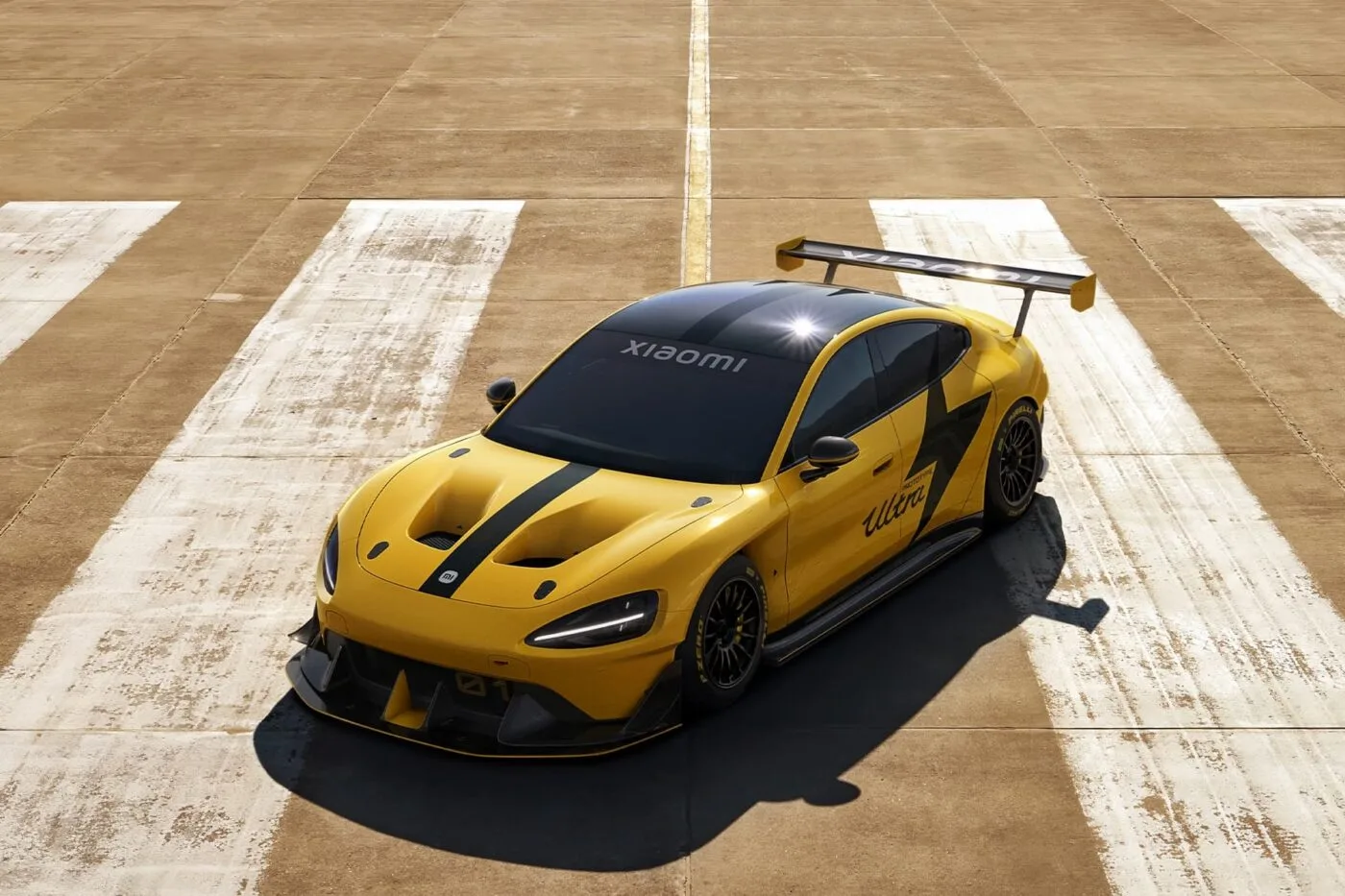 Xiaomi SU7 Ultra
Both cars did exactly what they were designed to do, which was prove a point. Neither did the thing a luxury car is supposed to do, which is make a wealthy person want it more than the alternative.
RELATED: The Zeekr X Performance Is Quicker Than A Porsche And Costs A Fifth As Much
Of the 20 best-selling cars above the million-yuan mark in China last year, roughly $A210,000, exactly two were Chinese. Everything else was Porsche, Land Rover or Mercedes. The Cayenne alone outsold the Yangwang U8L by 11 to 1.
Sit with the Land Rover entry for a second, because it's the one that gives the game away. Nobody has ever bought a Range Rover on the strength of its reliability data. You buy it for what it says about you at the school gate, and that has never once appeared on a spec sheet.
Mark Rainford of the Inside China Auto channel gave me the number that reframes the whole thing, and it isn't a horsepower figure. It's 35.
Above that age, Chinese buyers still trust foreign badges, partly because they remember when local cars were not merely unfashionable but frightening. "There's a lot of horror stories of cars going downhill and the brakes failing," he says. "People didn't trust what they could buy at home because it was crap."
Below 35 sits a generation with nothing to be scarred by, more nationalistic, and hungry for the technology. "They are proud of what they can build at home because there's nothing much to be proud of before."
Which tells you what a badge premium actually is. It isn't a product advantage; it's an accumulated memory, and it is being handed down to people who don't share it.
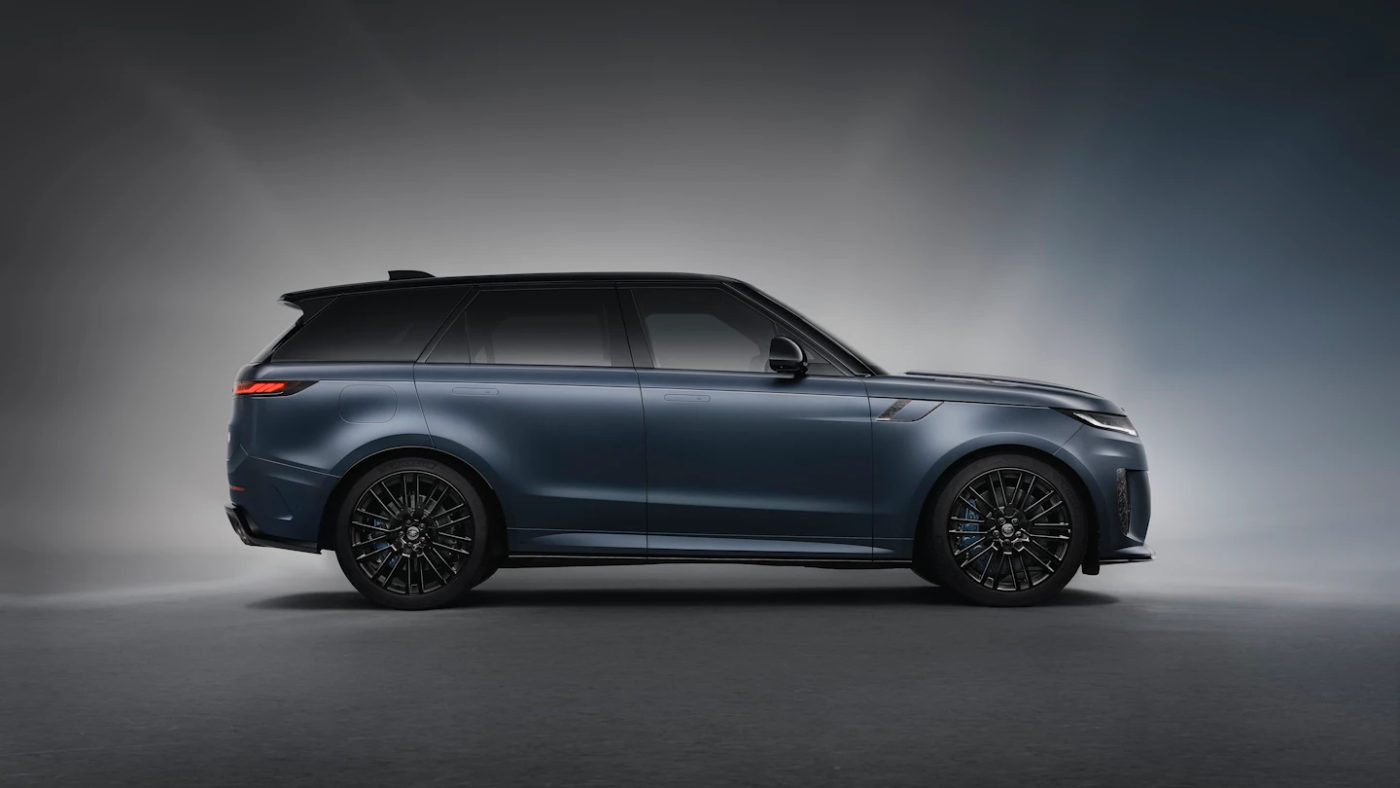 A Range Rover will always feel like a Range Rover.
That cuts both ways, and Europe should be more frightened of the second half than the first. If desire is inherited rather than built, then Ferrari and Land Rover hold something no engineering budget can buy. It also means the holding is temporary, because inheritance only works while somebody is alive to pass it on.
Mark Andrews, who has reported on the Chinese industry from inside it for years, warned me against treating China as a single market at all. Walking Shanghai late last year, what struck him wasn't a shortage of Germans: "There are still plenty of BMWs, Audis and Mercs on the road, but now hardly any Buick, Ford or Honda models."
The brands getting slaughtered are the ones that only ever sold adequacy. Nobody inherits a feeling about a Honda Accord.
The comfortable Western read is that Chinese makers don't understand luxury.
Nobody buys a Birkin because it's the optimal method of carrying keys and a phone. A Chinese factory can build a mechanical watch that keeps better time than a Rolex Submariner, and does. It still isn't a Submariner. Luxury has always involved a deliberate refusal of pure function.
All of which is true, and none of which means Chinese makers have missed the point. They understand luxury fine. They've defined it around something we haven't.
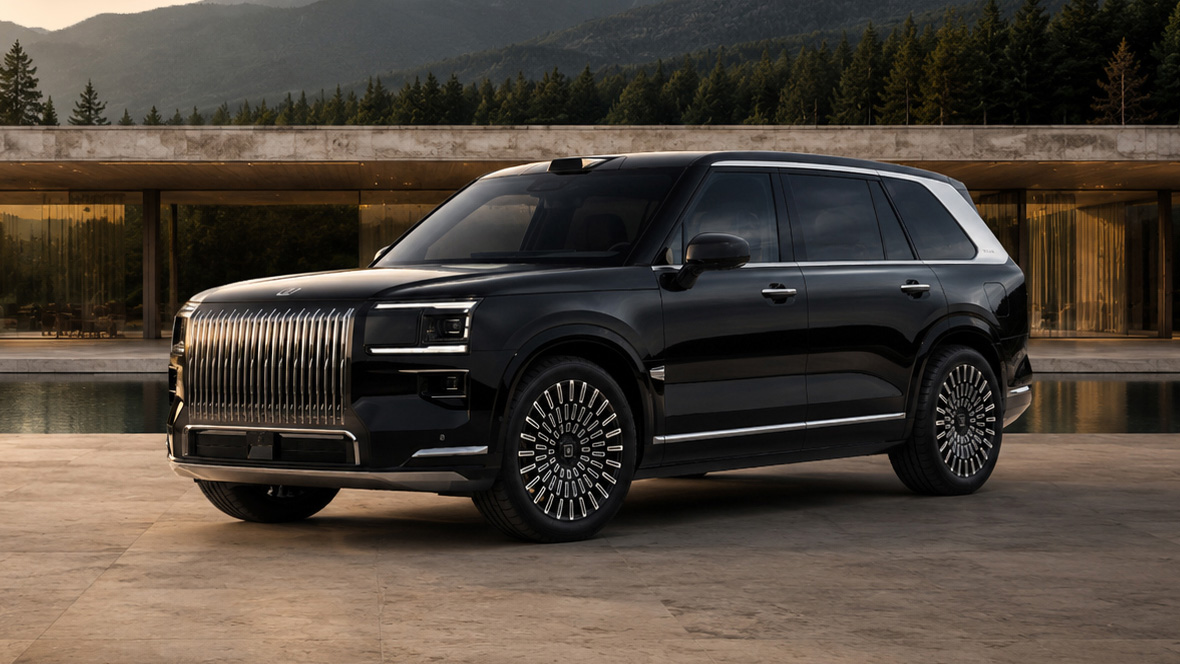 The three-row Zeekr 9X is going to move some units.
Rainford says it starts with the family. Three generations travel together, so you need six seats and probably seven, which is why three-row SUVs are the hottest segment in the market.
His description of the brief is the best I've heard: seat somebody 1.8 metres tall in all three rows, keep everyone entertained, "talk to your rice cooker at home and get it ready for when you arrive", set the climate control through the car's ecosystem.
That is a coherent definition of luxury. It just happens to be a functional one, and every functional definition of luxury is winnable by whoever engineers hardest. The Chinese engineer hardest.
On the tangible stuff, the Europeans are already behind. The best Chinese interiors are soft-touch the whole way down the door and inside the pockets. "Whereas you'll still get into some fairly high-end BMWs and Mercedes," Rainford says, "and find that the door pocket is still plastic."
Thirty-odd years in, I have yet to find a line on a spec sheet for the way an M-car settles and loads through a long third-gear corner, telegraphing every gain and loss of traction at the contact patch straight to your hands. Or for how a boxer six sounds, or the noise a properly engineered door makes when it shuts.
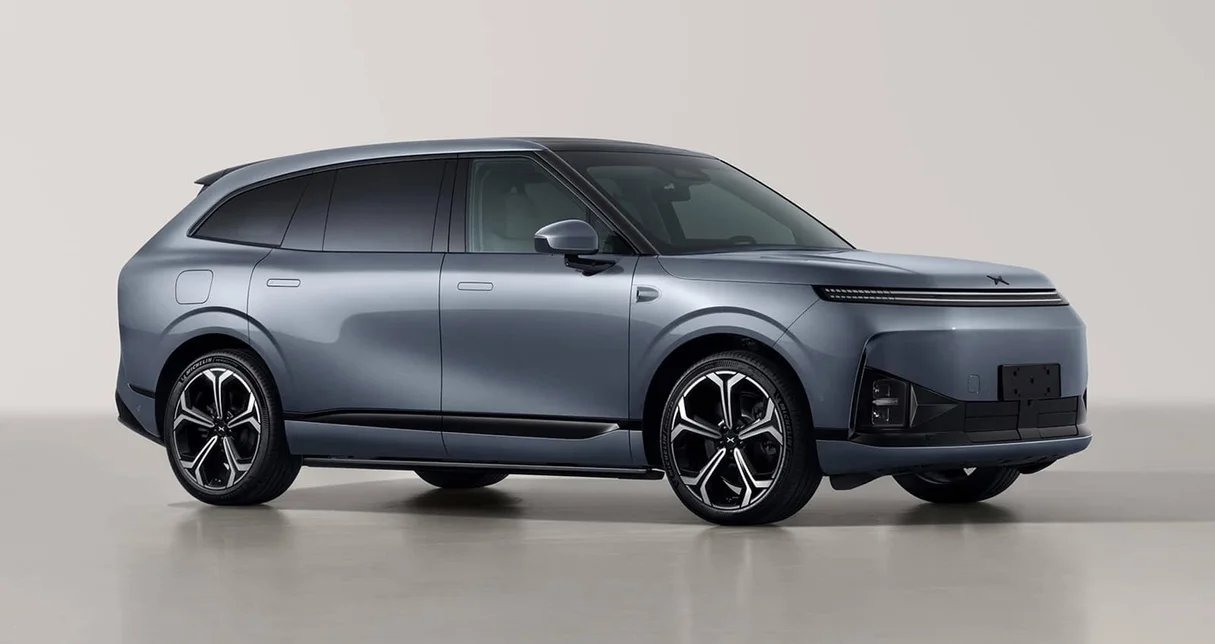 The new Xpeng G9L is coming to Australia soon. CarsGuide did this rendering but we're not complaining. Haawt.
Rainford adds the one that matters commercially, which is consistency. "You can get in a Mercedes and you know you're going to get what you're going to get. But in a BYD, you're never quite sure. Some examples will do it really well and some won't."
None of that can be updated over the air into existence, or out of it. It's the product of decades of iteration by people who cared, and it's the only asset in this fight that can't be copied off a teardown.
The catch is that it also cannot be explained to somebody who hasn't felt it, which is a difficult product to sell to a 28-year-old in Chengdu who has grown up being told the local option is better in every way he can verify.
GWM used the Beijing show to unveil GF, for Great Faith, a mid-engined supercar architecture built around an in-house 4.0-litre twin-turbo V8. Hot-vee, dry sump, carbon fibre monocoque, hybrid assistance, a claimed 1184hp.
It has hired Adam Thomson, formerly chief engineer on McLaren's GT, to run the programme. There's a GT3 racer coming off the same bones, and chairman Jack Wei says the benchmark is Ferrari.
Nobody builds a V8 in 2026 because the numbers demand it. Four electric motors get you to the same acceleration figure for less money, less weight and less engineering risk, which is precisely what BYD did with the U9.
The best part is where the idea came from. Chief technology officer Nicole Wu says she was told by Australians that there's no replacement for displacement, so the most advanced car industry on earth is building a full-fat V8 partly because blokes at Aussie ride days told them to.
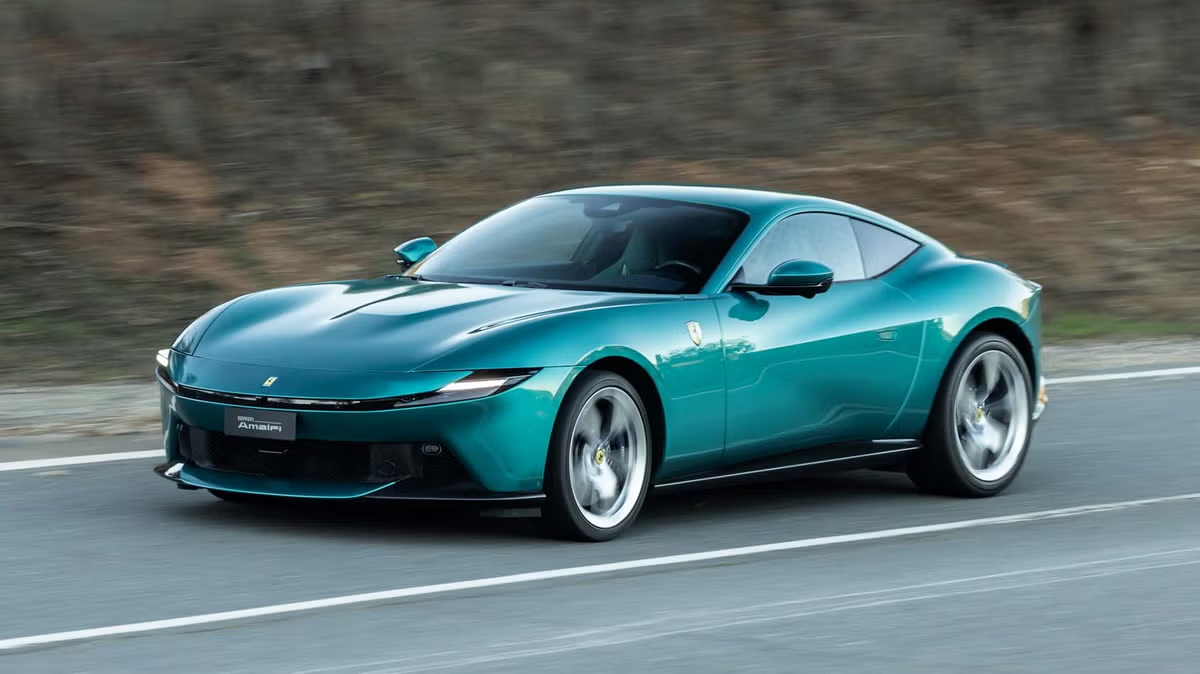 A Ferrari Amalfi may cost 5 times as much as a Chinese version, but the ego boost and feelings you get are irreplaceable.
Read that as the concession it is. China has worked out that the feeling exists, that it cannot be measured, and that it therefore has to be chased rather than calculated.
Right now the two markets are pulling apart. China wants screens, ecosystem and plush, while we've started asking for physical buttons back.
That cannot hold. When one market runs at 20-odd million cars a year and sets the pace of development at three times everyone else's, its definition of luxury does not stay behind the Great Wall. It arrives here in the product plan, as the zero-gravity seat, the third screen and the assumption that a cabin is an ecosystem rather than a room.
It won't only arrive on Chinese badges either. Europe cannot cede the biggest market on earth and then engineer a completely different car for everywhere else, because no budget stretches that far. Whatever they build to counter China is what they will eventually build for us.
So the real question isn't whether your next Chinese EV will out-accelerate a Ferrari, because it will, on the way to out-accelerating everything else you've ever driven. It's whether the German response leaves anything of the feeling intact.
China has reverse-engineered the battery, the software, the chassis and now the V8. The last immeasurable thing in the car industry is desire, and the people who own it are getting older every year.
Read the full article A Chinese EV Will Beat A Porsche, Ferrari or BMW In Every Measurable Way But Will It Ever Feel Like One? on DMARGE. Don’t miss it!


0 Commentaires