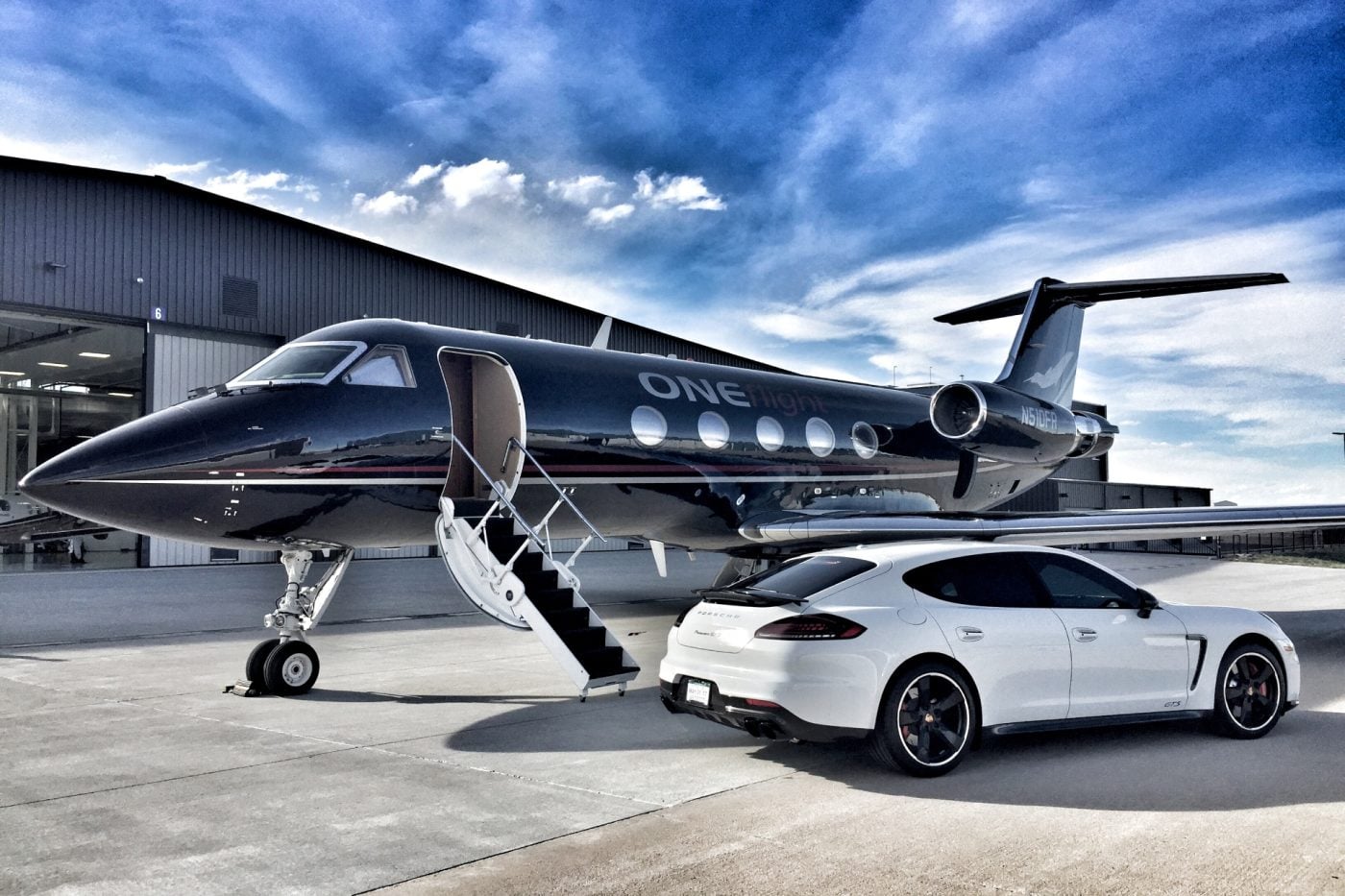
Private jets used to follow a fairly predictable timeline. You built something, sold it, waited a respectable amount of time and eventually bought the Gulfstream. The new generation of AI and tech wealth is skipping most of those steps.
Across the United States, private aviation companies are reporting a surge in demand from AI founders, SpaceX employees and venture capital investors who are becoming wealthy fast, in some cases before they have officially cashed out at all.
SpaceX's blockbuster IPO generated significant wealth across its employee base, while companies like OpenAI and Anthropic are widely expected to follow with public listings of their own.
The result is a wave of new buyers entering private aviation who did not exist in the market two years ago.
RELATED: These Billionaires’ Helicopters Make Private Jets Look Like Economy
The New Private Jet CustomerAmanda Applegate, an aviation lawyer specialising in aircraft purchases, says business at her firm has jumped 25 per cent this year as technology investors move to buy aircraft. She told Reuters there are simply more people who can now afford to travel privately, and that number keeps growing.
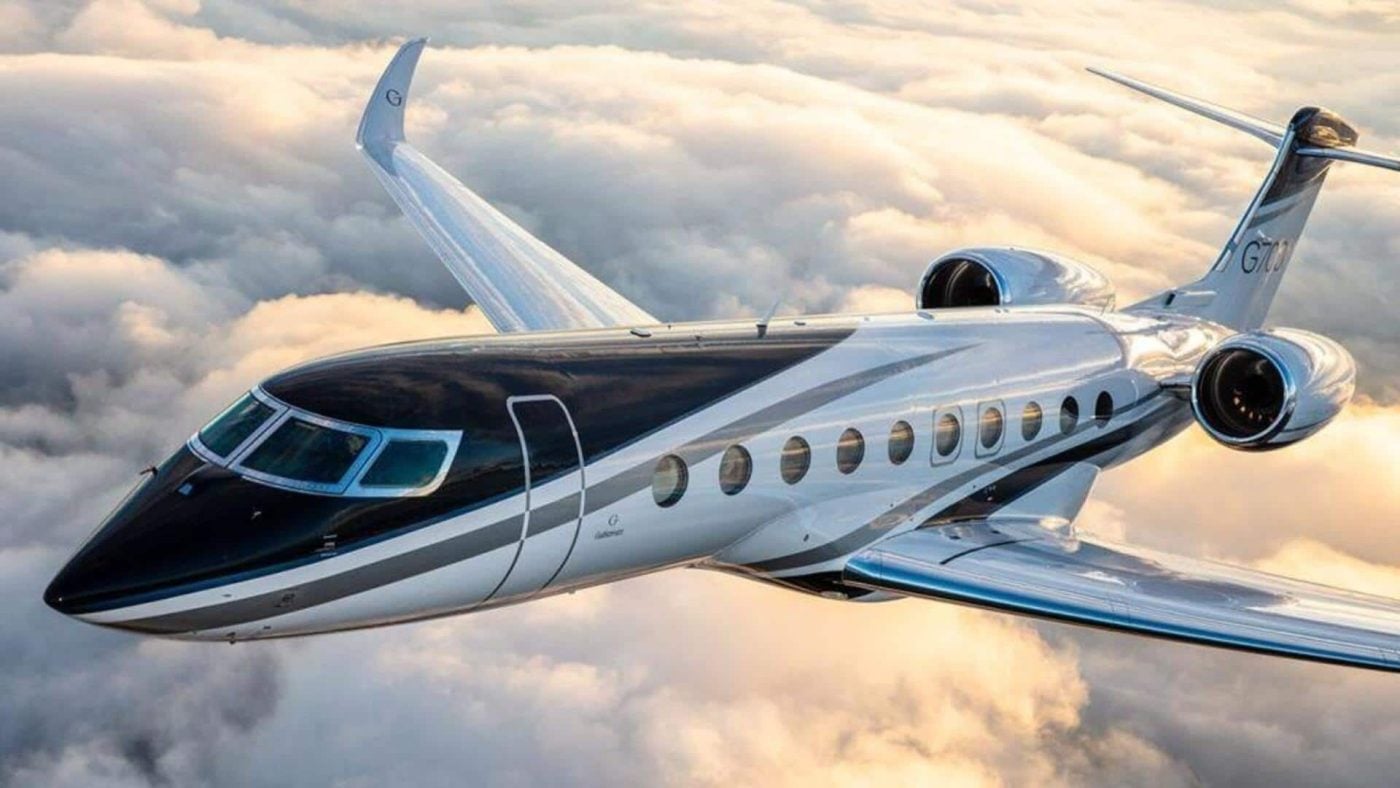
The broader industry data backs it up. Flexjet says its customer base is getting younger, driven by self-made entrepreneurs rather than inherited wealth. Jet Linx has reported 60 per cent business growth through May.
Charter operator Mercury Jets says inquiries from technology executives have risen by double digits since the start of the year.
Some SpaceX employees are already shopping for private jets before their expected windfall has even arrived. Aircraft brokers say buyers are moving early, with many eager to spend long before the money hits their bank accounts.
RELATED: Patek Philippe’s Private Jet Is The Watch World’s Biggest Flex
Buying Before The Pay DayMany first-time buyers start with a fractional ownership programme or membership scheme before progressing to a full aircraft, and that entry point is getting busier.
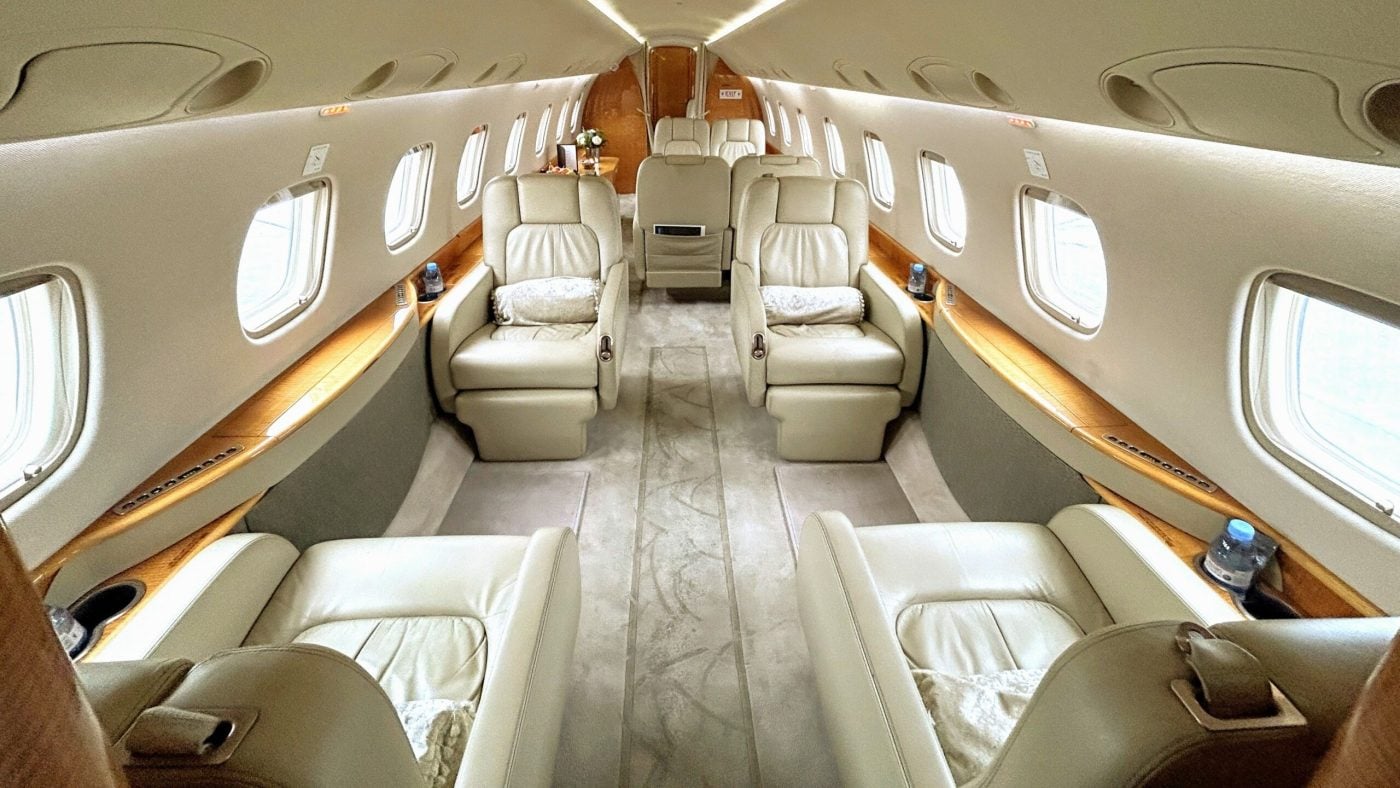
According to aviation intelligence firm JetNet, flights through shared-ownership programmes rose 11.8 per cent globally in the first five months of 2026, while flights operated by private aircraft owners climbed 13.4 per cent over the same period.
The economics involved are significant either way. Chartering a jet runs anywhere between $2,200 and $26,500 AUD an hour, depending on the aircraft, while buying one typically sits between $8.60 million and $100 million AUD. Neither figure has historically troubled the kind of buyer now entering the market.
This pattern has precedent. During the dot-com boom, business jet deliveries jumped 24 per cent as technology fortunes multiplied quickly and a new class of buyer arrived in aviation with money and no particular patience.
The AI boom appears to be running a similar playbook, with one difference. The fortunes being created this time around are in some cases larger, and the people holding them are younger.
RELATED: Business Class Is So Expensive That A Private Jet Could Be More Cost Effective
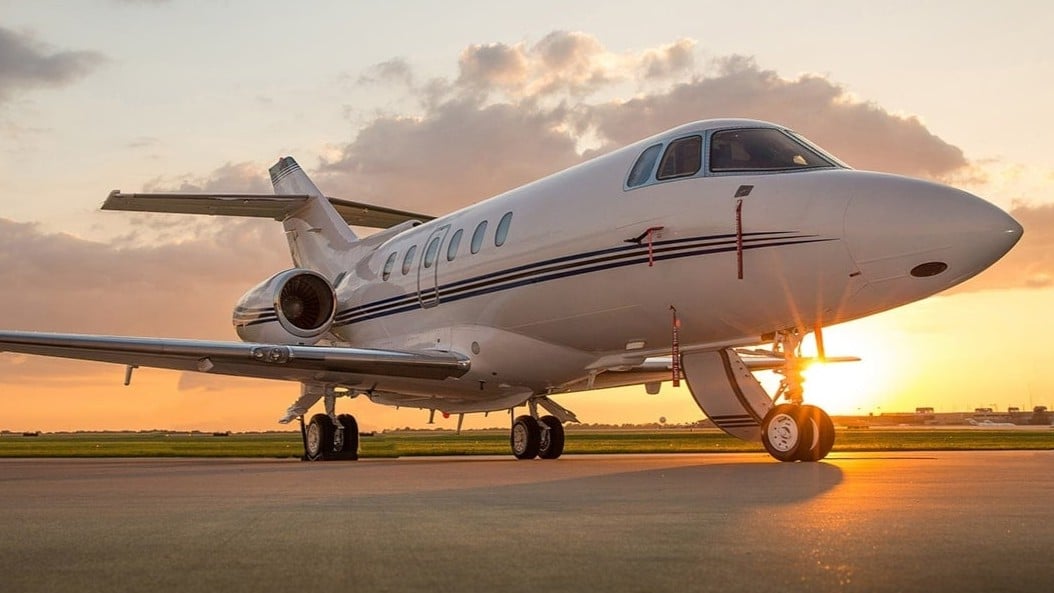 A Different Kind of Buyer
Private aviation has traditionally been the domain of industrialists, financiers and family money accumulated across generations.
The buyers showing up now are software engineers, startup founders and AI researchers, many still in their thirties, some yet to see their company reach a public listing.
The aircraft are the same. The people buying them are not, and if the AI wealth creation cycle continues at its current pace, the private jet industry may look meaningfully different within a decade from what it has been for most of its history.
Read the full article The AI Boom Is Creating A New Generation Of Private Jet Owners on DMARGE. Don’t miss it!


0 Commentaires