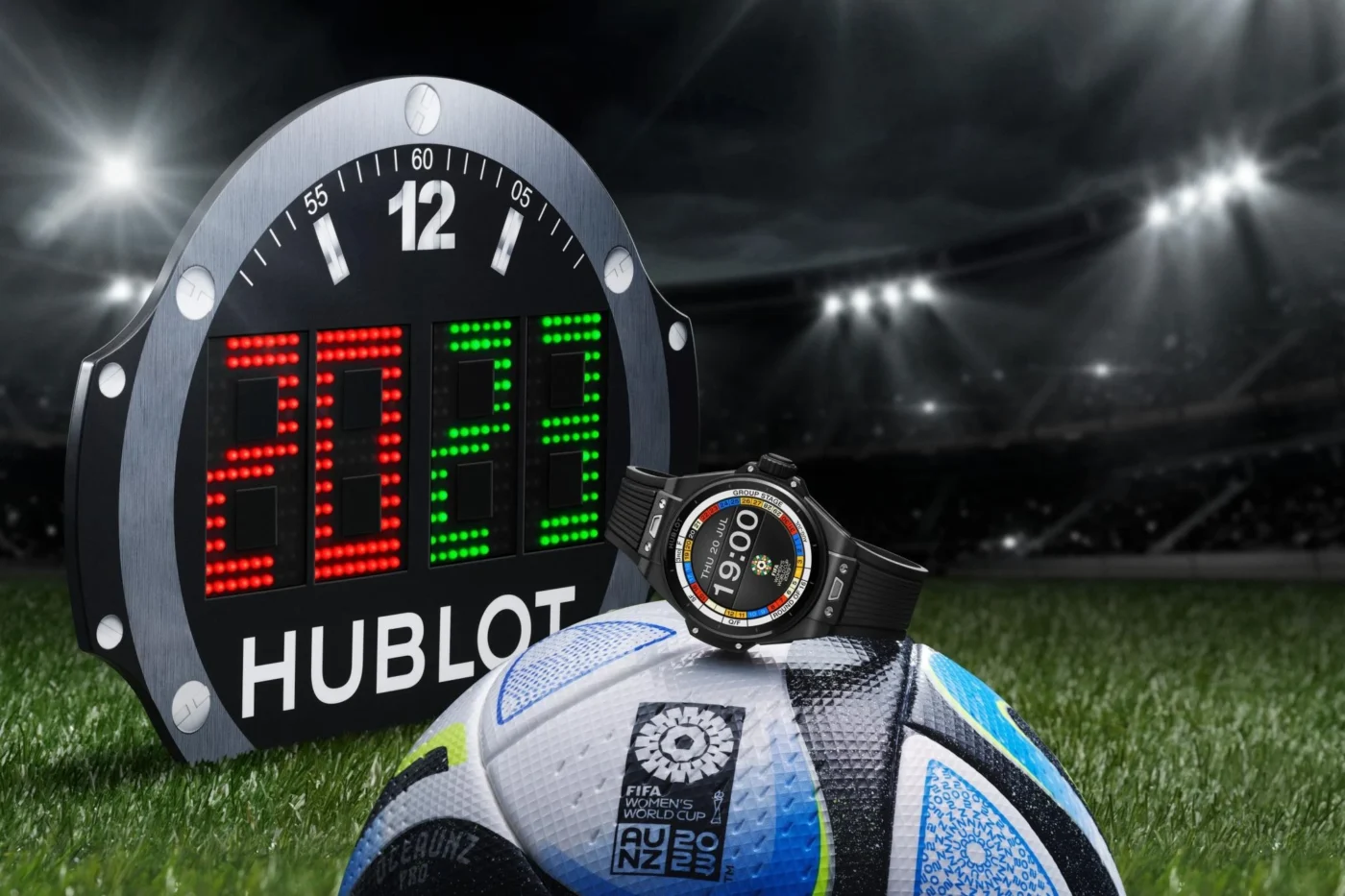
For the first time since 2006, the World Cup is happening without a watch brand's name on the fourth official's board. Hublot has walked.
After 16 years and four straight tournaments, the Swiss house confirmed in mid-December it would not renew its deal as FIFA's official timekeeper. That leaves the United States, Canada and Mexico hosting a World Cup this June with the luxury timekeeper slot sitting completely empty for the first time in over two decades.
It's a strange thing to lose. Most people watching a match have never once thought about who keeps the time, which is exactly why Hublot paid to be there. The Big Bang-shaped substitution board, the logo on the LED, the referee strapped into a Hublot smartwatch wired to VAR. That was the whole pitch.
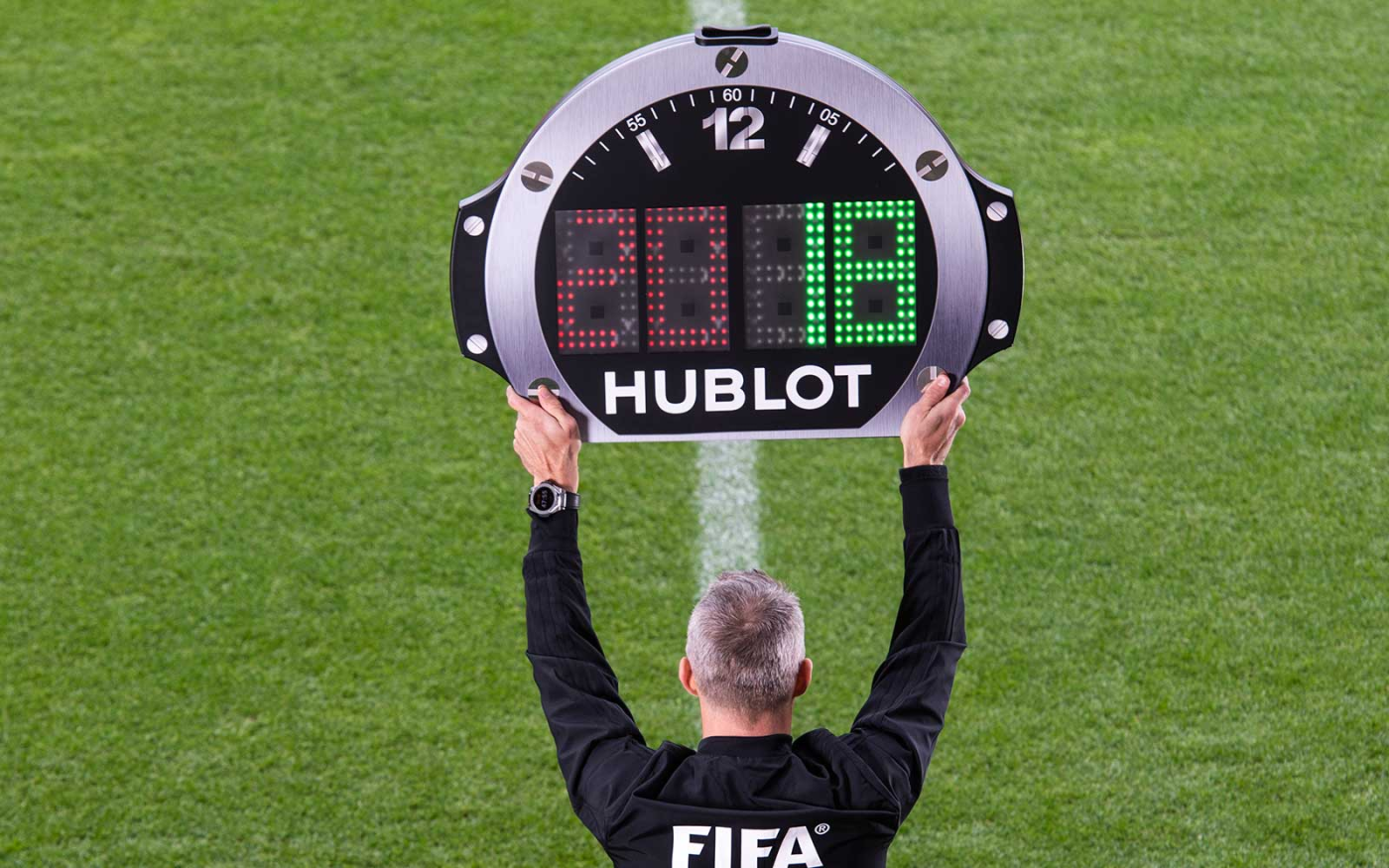 We will miss this in 2026 :(
The man who pulled the pin is Julien Tornare, who took over as Hublot CEO in September 2024 and clearly looked at the FIFA invoice with fresh eyes. Speaking to the Swiss outlet Finews, he framed it as a cost-benefit analysis, with the money being redirected toward UEFA competitions, Latin American football, and a push into art and music.
No dollar figure was put on what FIFA cost the brand. You don't need one. When a CEO starts using the phrase "rebalancing spend," he is telling you the bill stopped making sense.
The replacement isn't a replacementHere's where it gets a little embarrassing for football's biggest event. FIFA has not named another luxury timekeeper. What it has done is invent a brand-new tier called "official licensed timepiece" and hand it to a New York-based, Swiss-made microbrand called Axia Time.
If you haven't heard of Axia, that's the point. This is the first time watches have ever been part of FIFA's official licensed products program, sitting alongside the jerseys and the keyrings rather than the sideline boards.
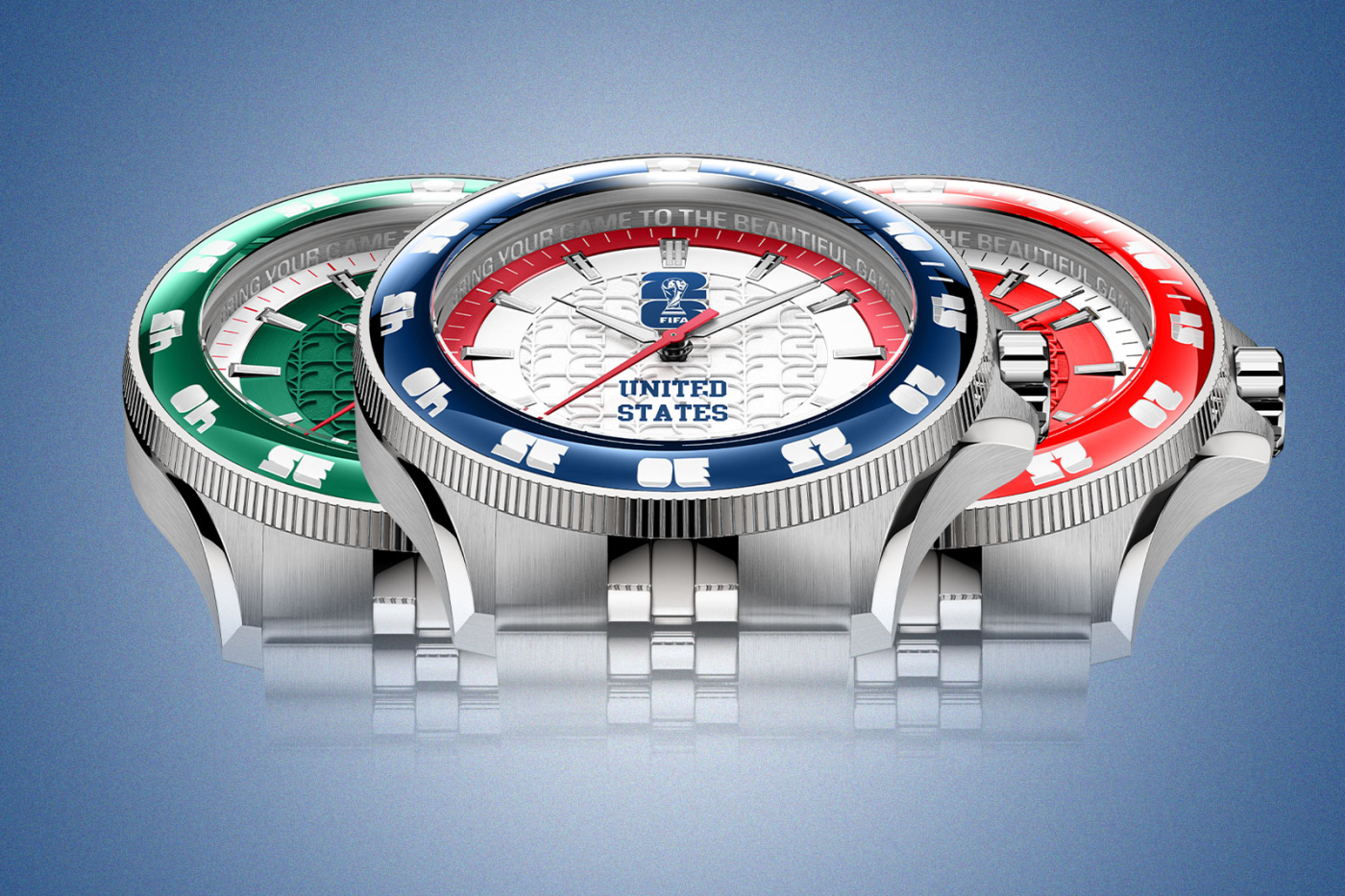 Not quite Hublot.
The collection itself is actually charming. Run by founder John Kanaras, Axia has built 14 country designs, each with three models, in tiny production runs of 80 to 400 pieces, anchored by a dive watch called the Argos, which runs an ETA 2824 movement. Seven of the designs honour past winners, and if you buy your nation's watch and they go on to lift the trophy, Axia upgrades you to a Champions edition for free.
It is also a completely different business from keeping official time for a tournament that three and a half billion people watch. How does the biggest sporting event on the planet not have a watch partner? LV? TAG? Anyone?
What it actually meansThe honest read is that the maths broke. Sponsoring a World Cup is one of the most expensive things a watch brand can do, and the people most likely to buy a Hublot are not deciding to do so because of a logo behind the goal.
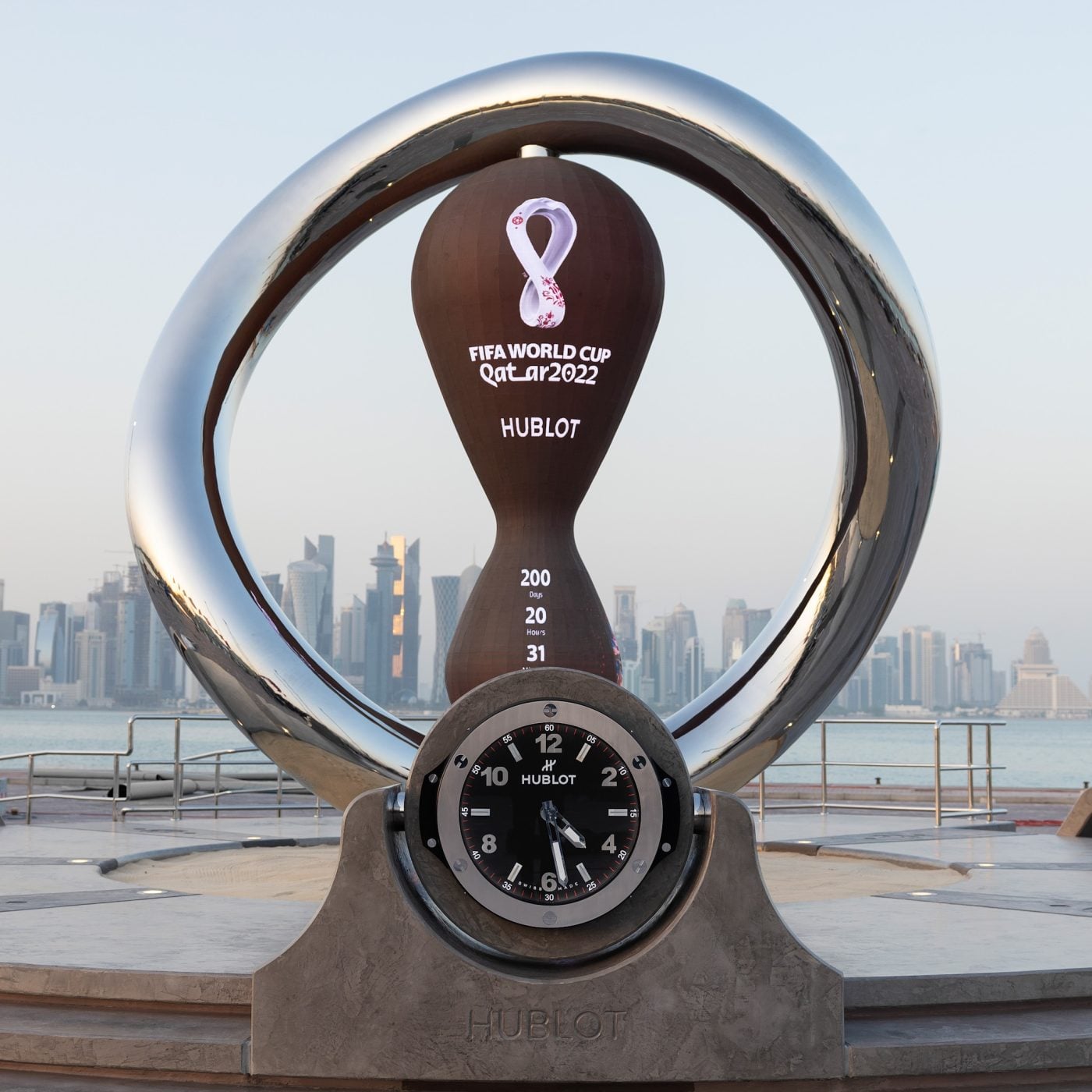
Tornare's pivot says the quiet part out loud. Football clubs, leagues and individual stars deliver targeted reach. A global tournament delivers a number so big it stops meaning anything. Hublot would rather pay Kylian Mbappé directly, and it is, having dropped a 200-piece Reloaded Mbappé at Watches and Wonders in April for just under 25,000 Swiss francs.
Those ambassador deals were always separate from the FIFA contract, which is why Mbappé keeps wearing Hublot at France matches regardless. The brand kept the parts that move watches and binned the part that just looked good on television.
For anyone who has wandered the halls at Watches and Wonders, this is the same story playing out everywhere. The big, broad, expensive sponsorships are being quietly swapped for sharper, smaller, more measurable plays.
So the World Cup will run on time this summer, same as always. It just won't be anybody's time in particular. And the watch world, the one place you'd expect to mourn that, has barely looked up.
Read the full article The World Cup Has Lost Its Hublot, And Now The Biggest Event In Sport Can’t Tell The Time on DMARGE. Don’t miss it!


0 Commentaires