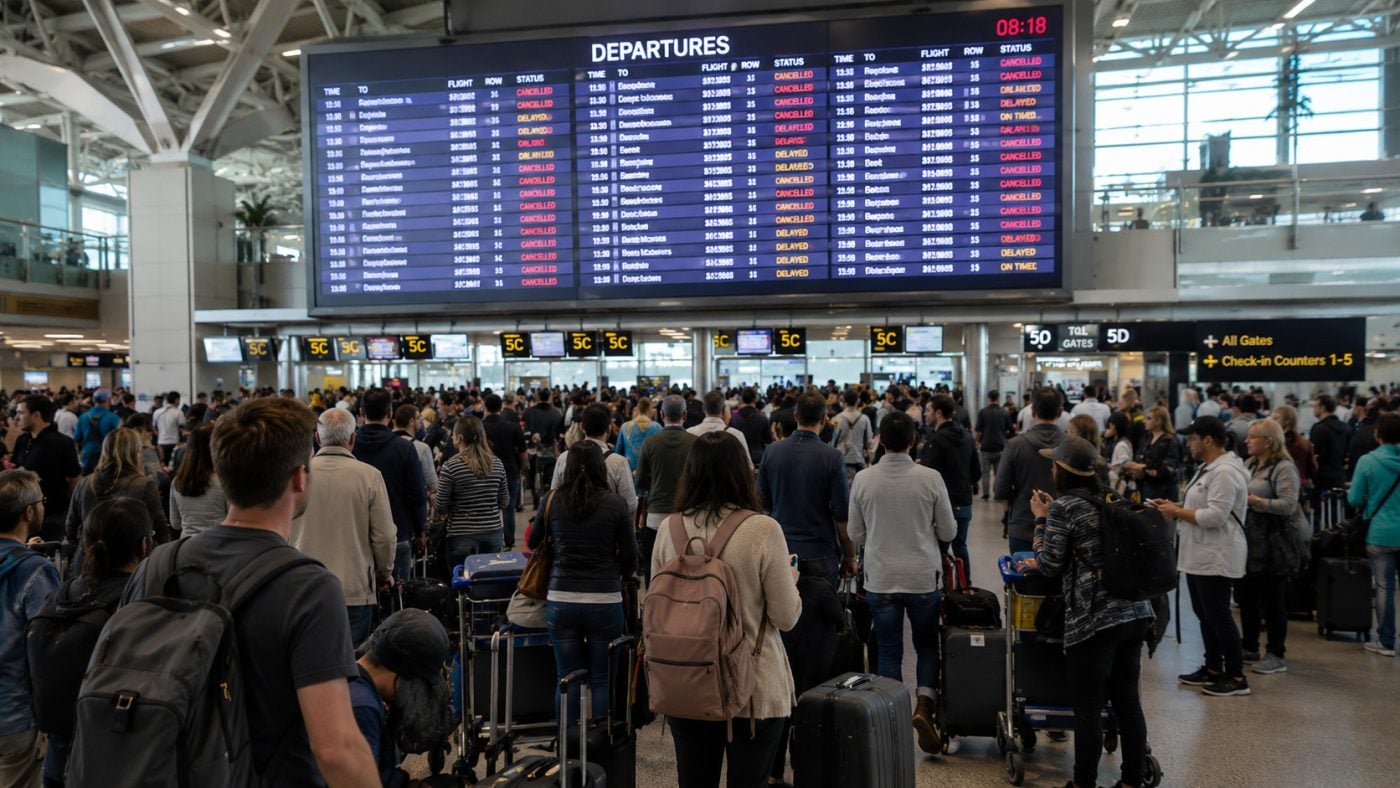
We are one week into May, and airlines have already cut more than 13,000 flights globally as jet fuel prices soar because of the conflict in the Middle East. That is the kind of number that stops sounding like an airline problem very quickly. It becomes your cancelled beach trip, your expensive family visit, or the European summer holiday that suddenly costs hundreds more before you even reach the airport.
For most travellers, jet fuel is invisible. Nobody books a flight thinking about refinery capacity, supply routes or the Strait of Hormuz. You think about dates, baggage, hotel check-in and whether the flight time will ruin your first day away. But right now, that invisible part of the journey is becoming the thing that could decide whether summer travel feels normal or painfully expensive.
Flights Are Already Getting More ExpensiveJet fuel prices have jumped hard since the Iran conflict disrupted energy supplies. In Europe, jet fuel climbed from $830 USD per tonne in late February to 1,840 USD in early April, a rise of more than 120%. It has come down a little since, but it has still remained far above normal levels.
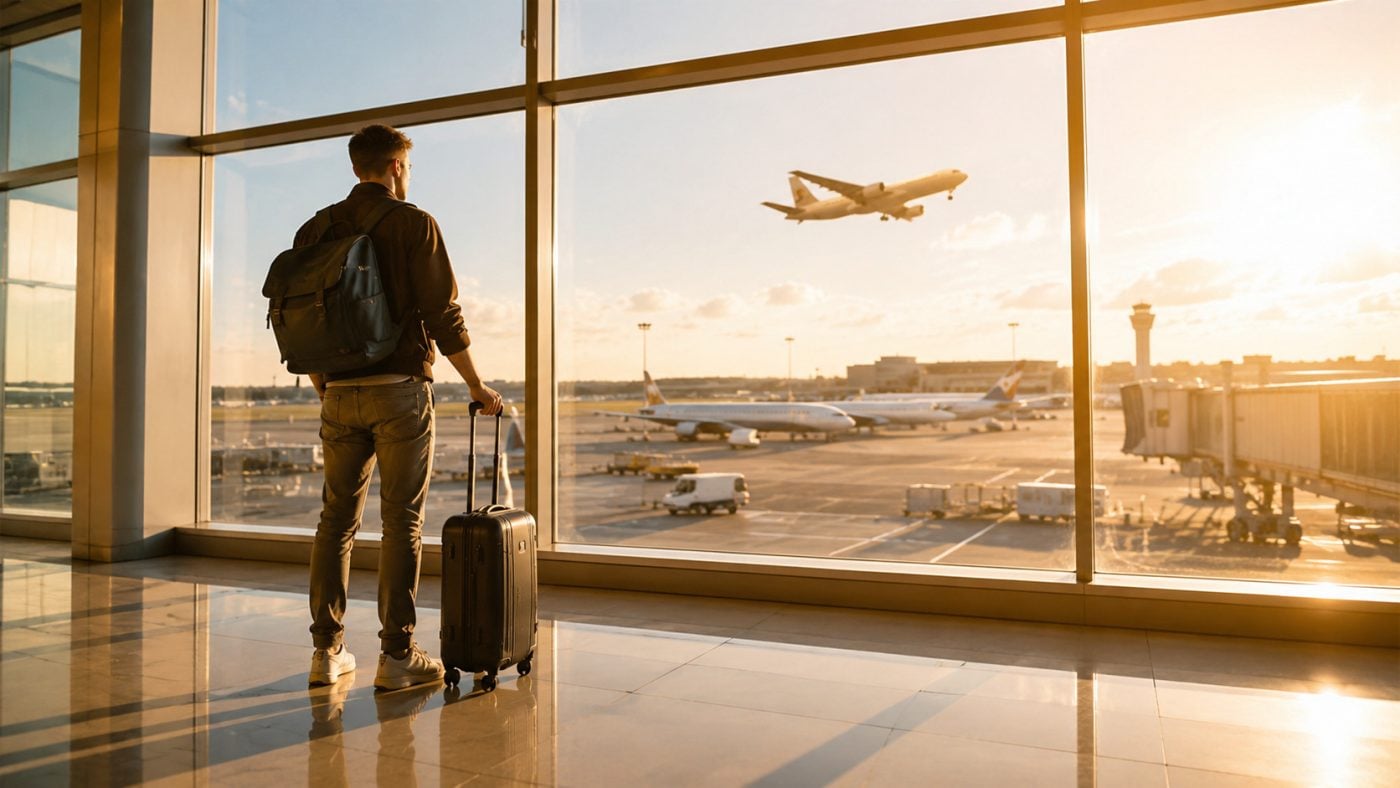
That matters because fuel is one of the biggest costs airlines face. When it gets more expensive, airlines have only a few options. They can raise fares, cut flights, add fees, or quietly make the onboard experience feel a little thinner. None of those options are great for passengers.
We are already seeing it. Lufthansa has said it will remove 20,000 flights before the end of October. Other airlines, including Air France KLM, Air Canada and SAS, have also cut summer schedules. In the US, major carriers have raised checked baggage fees.
Cheap Seats May Be Harder To FindThis is where it gets annoying for normal travellers. Airlines are not simply making every seat expensive in the same way. They are using pricing more carefully. Business-heavy routes can absorb higher fares, while leisure routes still get sales because an empty seat earns nothing once the plane takes off.
That is why Qantas and Virgin Australia can raise airfares one week and launch big sales the next. It looks strange from the outside, but the logic is simple. Airlines are trying to protect profit where they can and fill seats where demand is weaker.
For holidaymakers, that means the old trick of waiting for a bargain may become riskier. The cheap fare might appear, but the flight you actually want could also disappear, get moved, or become much more expensive later.
 Reuters
Cancellations Are The Real Holiday Fear
Reuters
Cancellations Are The Real Holiday Fear
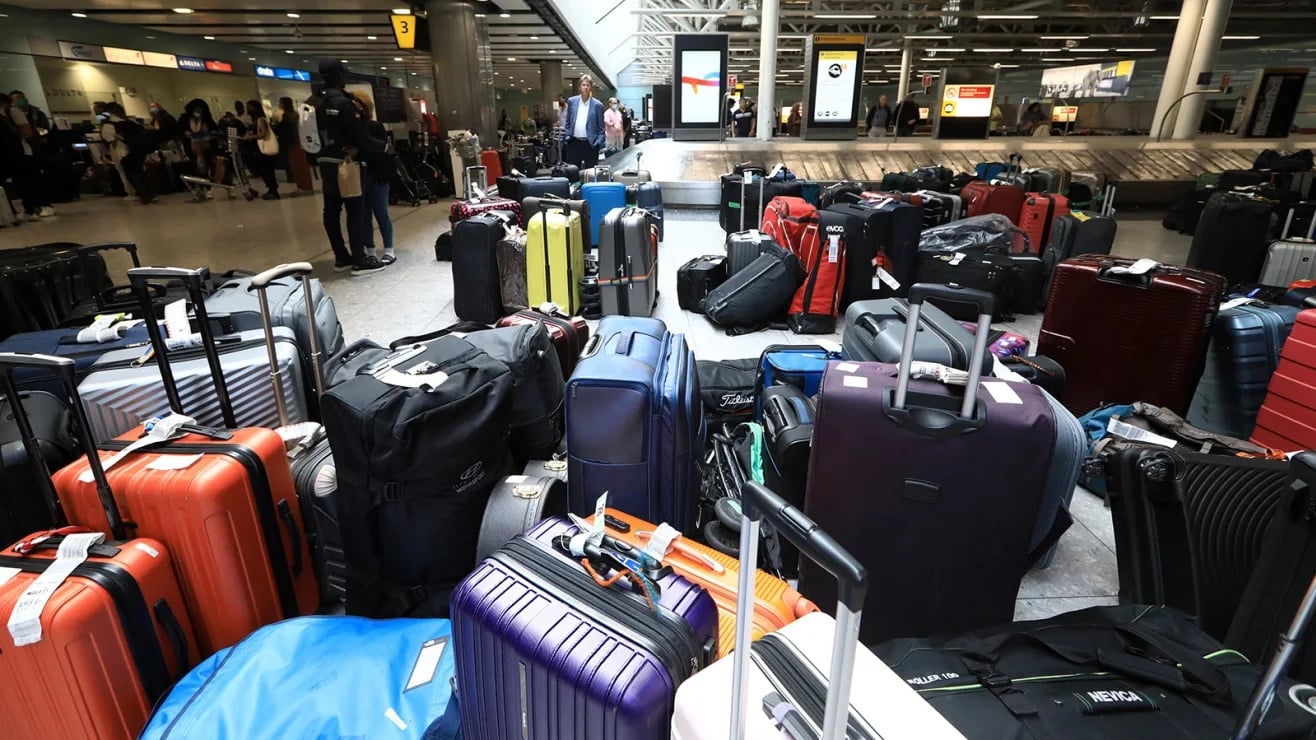
Higher fares are frustrating. Cancellations are worse. If jet fuel supplies tighten further, some airports could face real shortages, especially in parts of Europe that depend heavily on imported fuel. That could mean fewer flights, more cancellations and a summer travel season that feels far less predictable than usual.
That is the part travellers should take seriously without panicking. This does not mean every summer holiday is doomed. But it does mean flying this year may require more caution than usual. Booking earlier, avoiding the most restrictive fares, travelling light and choosing larger airports with more flight options could matter more than people realise.
The uncomfortable truth is that summer travel is becoming more fragile. Higher fares are annoying, but fewer flights and tighter schedules are what could really hurt holiday plans. Jet fuel used to be something passengers never thought about. This summer, it might be the reason your trip costs more, changes shape, or never gets off the ground.
Read the full article Euro Summer Holidays Are Starting To Feel The Jet Fuel Squeeze Before They Even Begin on DMARGE. Don’t miss it!


0 Commentaires