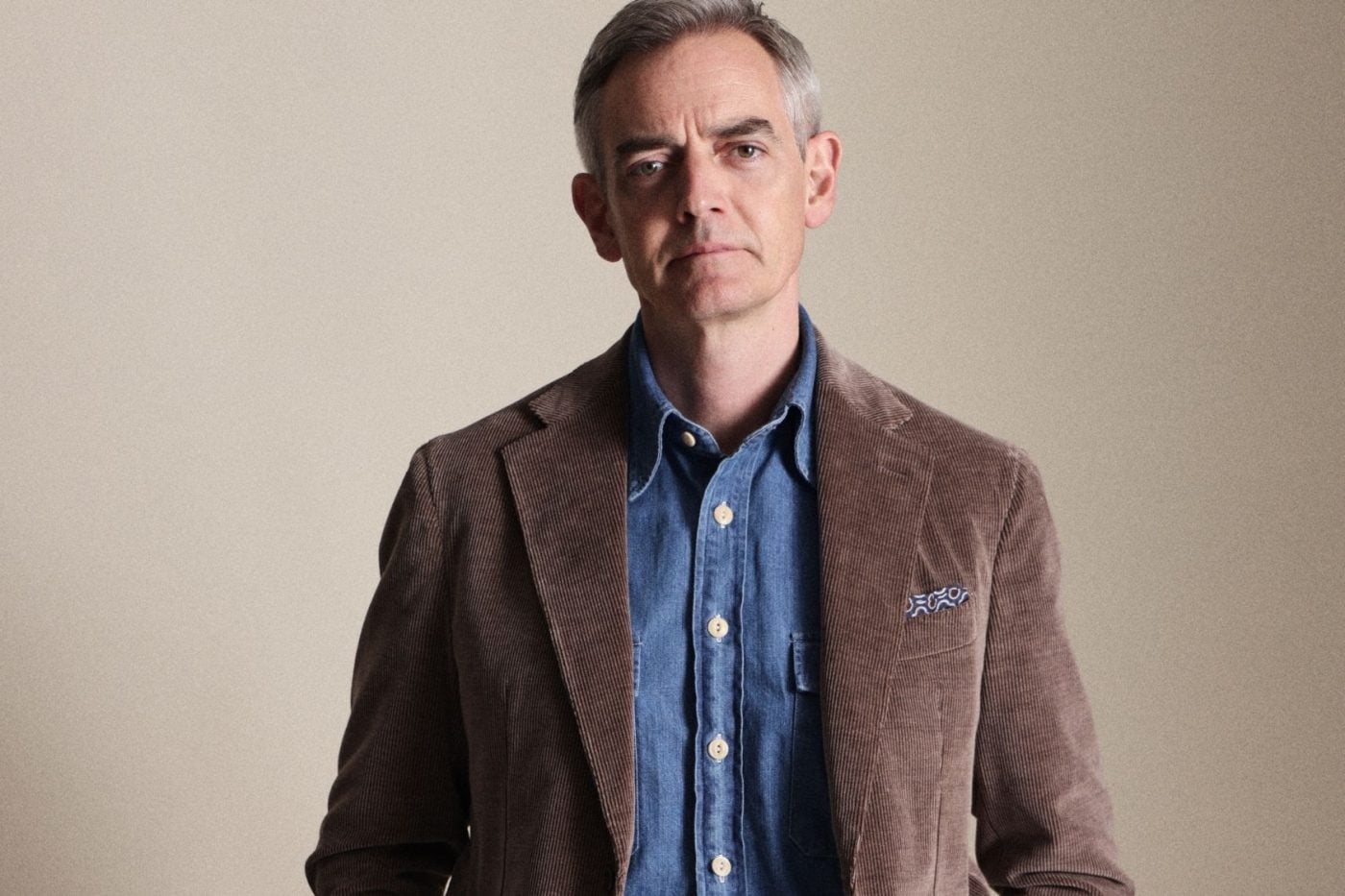
Online luxury hasn't been a happy place lately. Matchesfashion went into administration in 2024, Farfetch had to be rescued by Coupang, and SSENSE filed for creditor protection in Canada last year with hundreds of millions in debt.
Through it all, Mr Porter kept shipping white boxes with tissue paper and a ribbon. I've been a customer since the early days, and in 15 years it has never once let me down. So when CEO Toby Bateman came to Sydney for a customer event, I sat down with him one-on-one to find out why this one works when so many others don't.
His explanation for why Mr Porter survives comes down to spread. The business is global, online and carries 300 brands, so it never leans too hard on one market or one trend. "You hear big luxury goods groups like Richemont or LVMH talking about multiple engines," he says. "When things get tough in China they pump up America, and when things get tough in America they pump up the Middle East."
Right now that means America, which has been "very strong economically, regardless of what you think about it politically", and Australia. We were one of Mr Porter's top markets in the early days, dipped for a while, and over the last 12 months have come roaring back.
He's honest that it wasn't automatic. "If I'm going to be brutally honest, I think 2023, 2024, that wasn't as strong," he says. Coming back meant rebuilding the head office team across content, brand marketing and customer experience, and bringing back Jeremy Langmead, the original editor-in-chief. "It was basically Jeremy and I that formed the business together," Bateman says. "I did the product, he did the branding and the content."
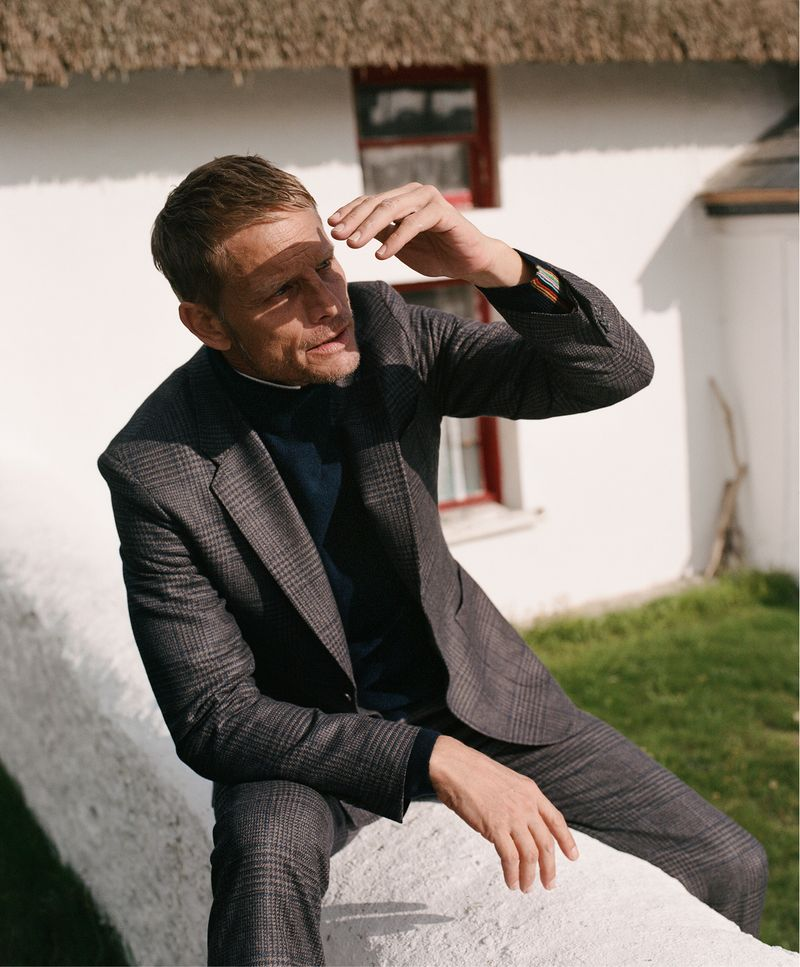 Paul Smith tailoring. Credit: Mr Porter
For years, menswear was hype drops, logo hoodies and sneaker queues. Anyone shopping Mr Porter lately will have noticed the brand mix has quietly moved on, and Bateman confirms it's deliberate.
"We've gotten rid of maybe the more entry-level, streetwear-orientated brands," he says, "and I'm putting the money I used to put into that stock into those mid-tier brands."
That means labels like Drake's, visvim, Our Legacy and Japan's Auralee, which he calls "quiet luxury contemporary". They sit beneath the top tier of Brunello Cucinelli, Tom Ford, Zegna, Celine and Saint Laurent, and that's where he sees the opportunity.
The reason is the customer. He's typically in his 40s, though he spans early 20s to late 60s, and the sweet spot is 40 to 45. "If that core customer comes and he sees some young kid, and it's too trendy or just goes a bit too fashion, he won't stay," Bateman says. "He'll go."
That doesn't mean the store has gone beige. Mr Porter still sells Enfants Riches Déprimés and Rick Owens runway pieces, and Bateman reckons the fashion-forward guy doesn't mind sitting alongside a winter campaign shot in Ireland, all proper men on a beach in proper coats and sweaters. Some old favourites are coming back too, with John Elliott returning for Winter 27.
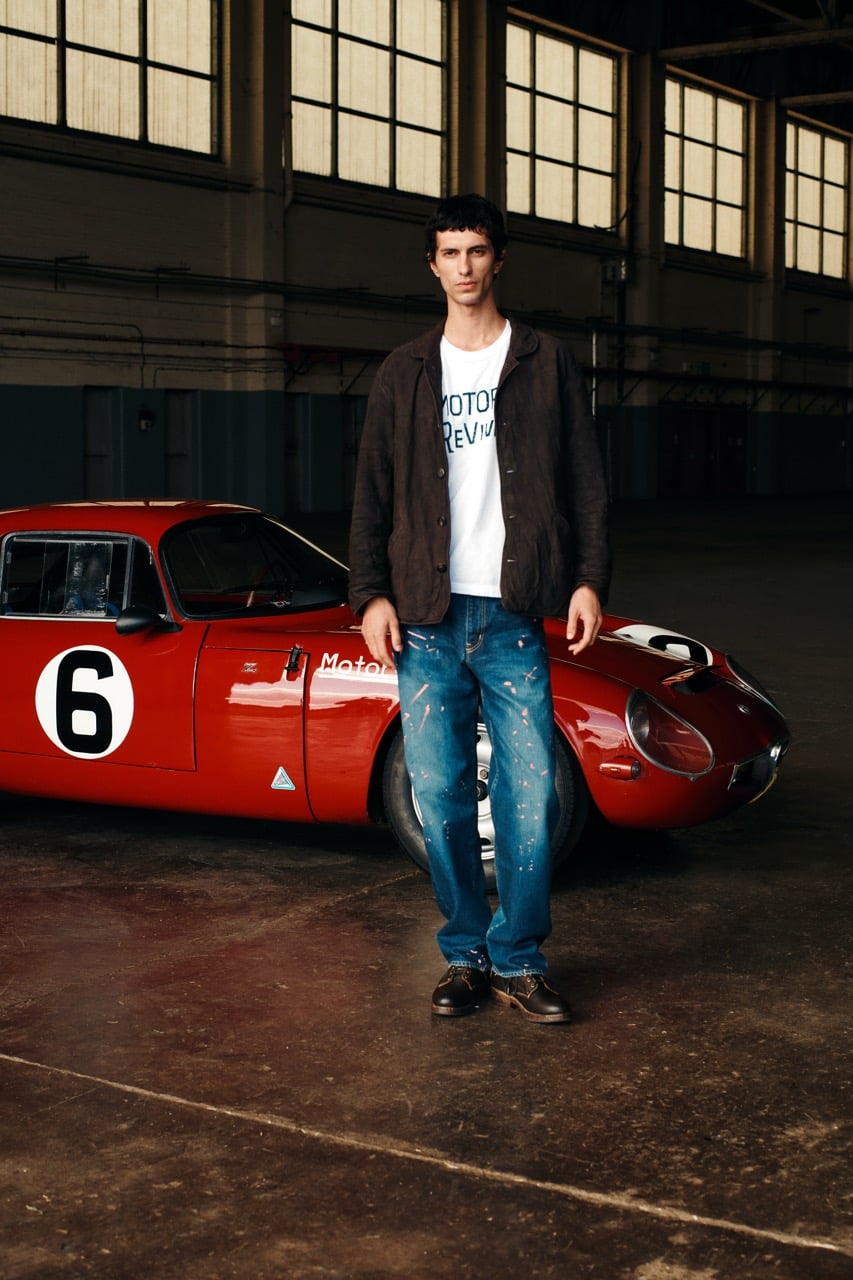 Visvim Motor Capsule
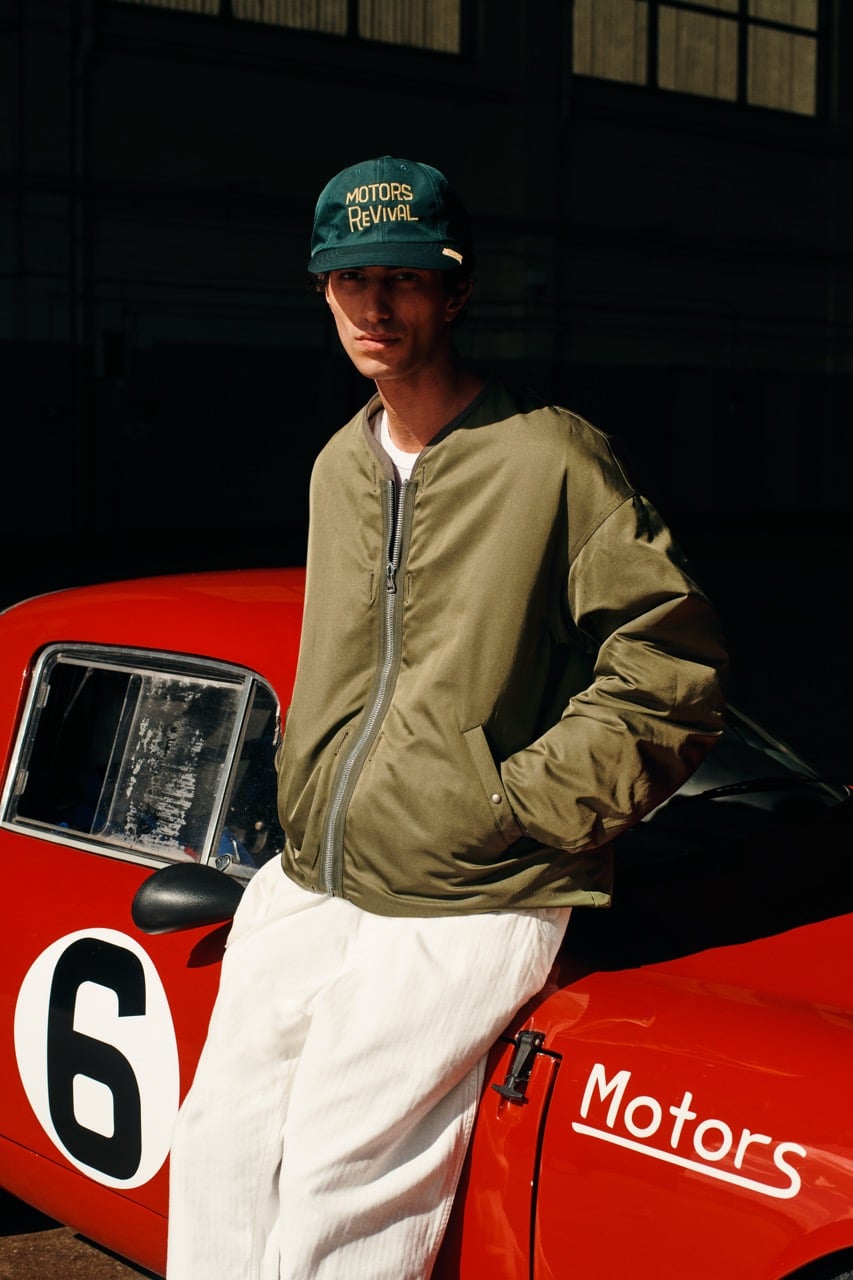 Visvim Motor Capsule
Every season, Bateman sits down with Mr Porter's six buying teams and goes through every brand at category and product level, deciding what to grow, what to trim and what to cut. The store once carried 500 brands.
"When we cease stocking a brand, it is always a hard decision, because we know that our business is important to those brands," he says. "But newness is important to our customers and discovery is important to our customers."
What online does better than any department store is move fast. Before Mr Porter, Bateman ran menswear at Selfridges, where a guy kept pitching him Slowear, the umbrella for specialist Italian makers like Incotex trousers and Montedoro knitwear.
If anything keeps me up at night, it's probably discounting culture. We can't afford to discount.
Toby Bateman
He loved it but couldn't give it the floor space. When Mr Porter launched, he picked it up, and Incotex chinos became a massive business.
"The great thing about Mr Porter is we can move pretty fast," he says. A physical store that does well with a brand can't double its space next season without months of negotiation and building work. Online, you just double the buy.
The same thinking applies to the old-school shoemakers like John Lobb, George Cleverley, Edward Green and J.M. Weston. Most people picture them with a pinstripe suit. Bateman pictures them with battered Japanese denim, RRL army chinos and an Oxford button-down. "That look I think is as relevant in 2026 as it was in 2015," he says.
Ask him what actually keeps him up at night and the answer is discounting. "If anything keeps me up at night, it's probably discounting culture," he says. "We can't afford to discount."
This is where plenty of failed retailers came unstuck, with SSENSE in particular becoming known for permanent markdowns. Mr Porter runs two sales a year and that's it. The end-of-season sale brings in new customers, Bateman says, but constant discounting would kill margins, cheapen the product and lose the brands that supply him.
"If you've got a great restaurant, it's going to be hard to get a booking," he says. "If the restaurant's doing buy one, get one free, you're immediately going to be a bit suspicious."
It shapes how he sets targets too. There are revenue and profit numbers, but the team works towards net promoter score, the share of business from top customers, and full-price sell-through. "If we look after that score, then we know that behind it is good delivery, good product photography, good product descriptions," he says. One-off buyers grabbing a pair of Nikes on sale don't build a business. Repeat customers do.
Logistics is the other thing Mr Porter has never compromised on, and Bateman says almost nothing has changed since launch because they got it right the first time. Opening the parcel should feel like shopping in a flagship boutique in Paris or Milan. Delivery is quick, and returns are free and painless.
"The last thing you want in our business is someone not to convert because they're worried about what if it doesn't fit," he says. The only thing working against him is Amazon. "Mr Bezos has kind of ruined delivery expectations for the entire luxury goods industry."
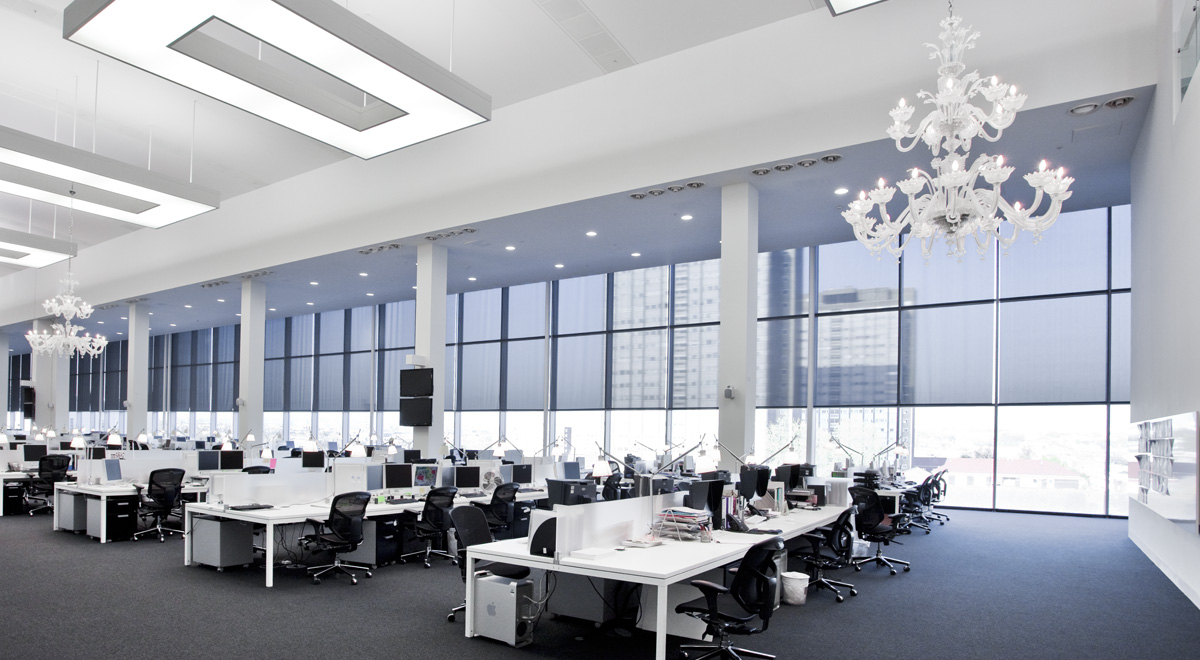 Mr Porter head office is in Shepherds Bush, near London.
Content matters as much as stock. Mr Porter is now entirely video first, with an in-house studio for quick social content. When customers say they don't know how to wear wide-leg trousers, style director Benedict Browne and video director Michael shoot a how-to that afternoon, shoes included.
"We're surprisingly fragile creatures when it comes to getting things wrong," Bateman says. "Our biggest fear is walking out of the house trying to be a bit cool, a bit trendy, and we're terrified that we might look like a dick."
Mr Porter's best-performing story last year was How to Dress in Your Forties, and Bateman would bet the same headline topped the charts 15 years ago. The difference now is that the 45-year-olds reading it are wearing a WHOOP and tracking their sleep every night.
There's no loyalty scheme and no points. The best customers get experiences instead. A fortnight before Sydney, Bateman took 12 Canali customers to Italy's Langhe for truffle hunting and wine at Gaja, tied to a capsule inspired by the region's colours.
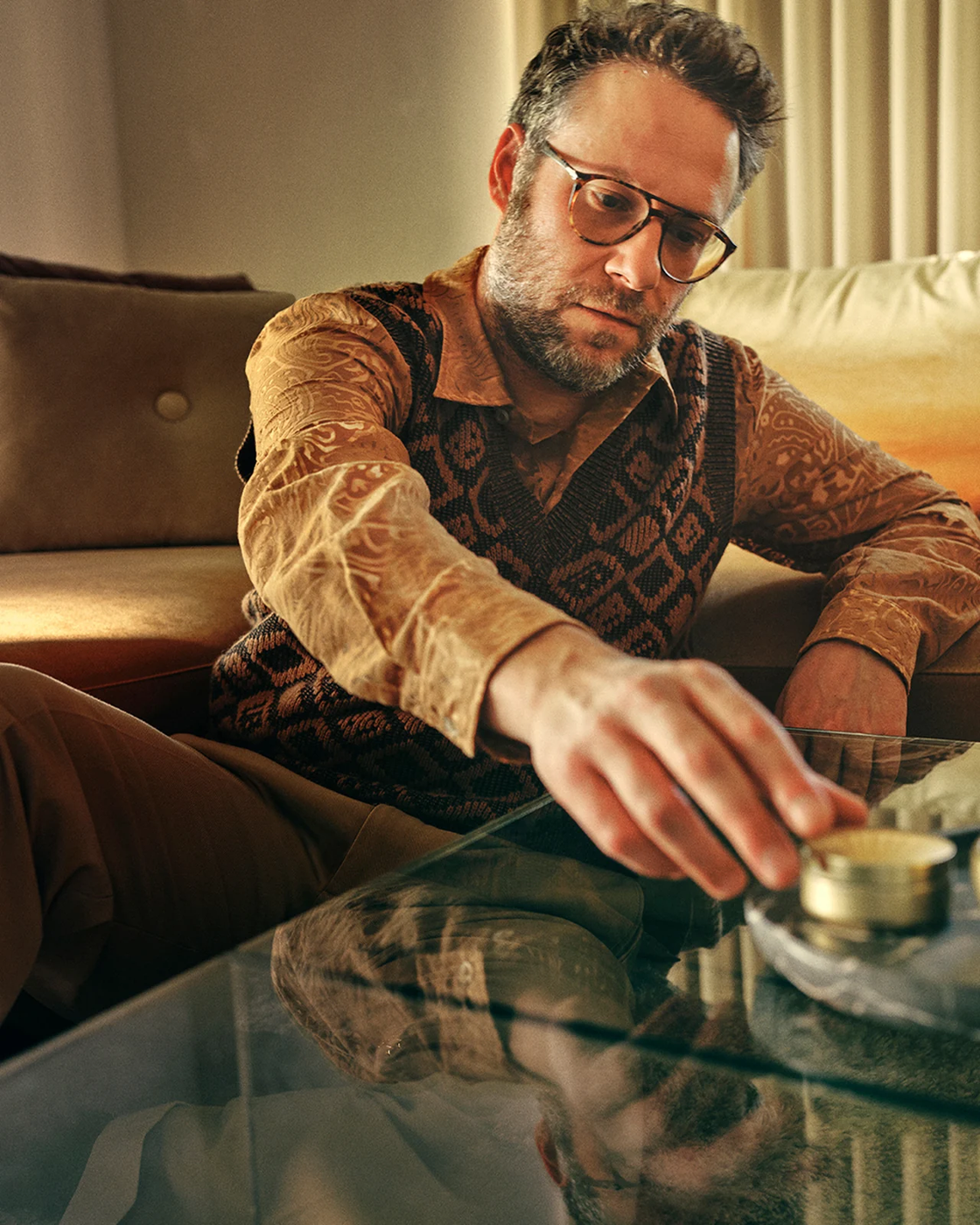 Seth Rogan for Mr Porter Journal
Over the European summer, Zegna hosted clients in Sardinia with Angelo Zegna and Alessandro Sartori, and Paul Smith had six of them over for a sushi lunch in his office.
"Of course we don't have a shop floor," Bateman says, so this is how he meets his customers. He's met two or three hundred in the last 18 months, lawyers and designers, 30 to 60, some in suits and some in ripped jeans. "The common thread is they're just passionate about menswear."
Next on the radar is Song for the Mute, the Sydney label whose debut Paris show for Spring 27 won over the buying team with its mix of grungy surf-skate attitude and something close to Japanese quiet luxury. "It's like a chef," Bateman says. "Brands have to choose their ingredients."
Part of surviving is knowing what not to do. Mr Porter tried resale with a partner, then pulled out. "I sort of asked myself the question of, I don't need to be this middleman," Bateman says, leaving it to Vestiaire Collective and The RealReal.
What he will keep pushing is Mr P, the in-house label that turns ten next year and is now one of the store's biggest brands. It's well priced and easy to wear, which suits the customer down to the ground.
"Men want to get it right," Bateman says. "And Mr Porter is here really to help men get it right."
Read the full article Mr Porter Survived The Luxury E-Commerce Bloodbath, And Its CEO Knows Exactly Why on DMARGE. Don’t miss it!






0 Commentaires